The Campaign
The political argument. Why this campaign and what we are demanding.
International Day of Families, May 15, 2026
Everything you need to participate in the global #ForAllFamilies campaign for International Day of Families 2026.
Despite claims of being “pro-family,” too many governments are making life harder for families around the world. From cuts to healthcare and family planning services, to austerity measures that erode social protection systems, to migration and conflict policies that separate loved ones and make communities less safe, families are being asked to carry impossible burdens with less support.
Yet families continue to care, adapt, nurture, and imagine better futures.
In 2026, as the world marks the International Day of Families under the theme Families, Inequalities and Child Wellbeing, we have an opportunity to ask a deeper question: what does it actually mean to support families? How can governments deliver for all families?
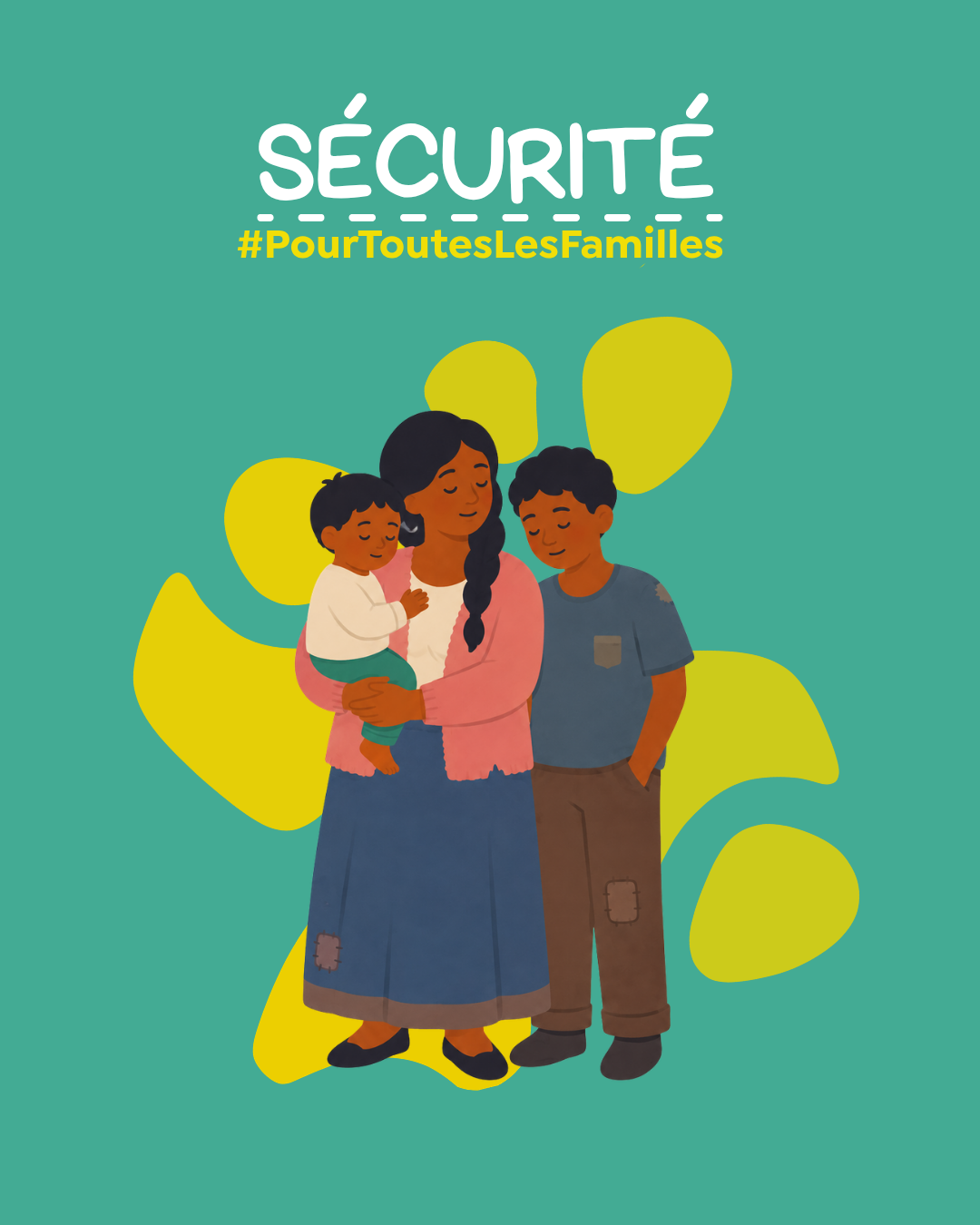
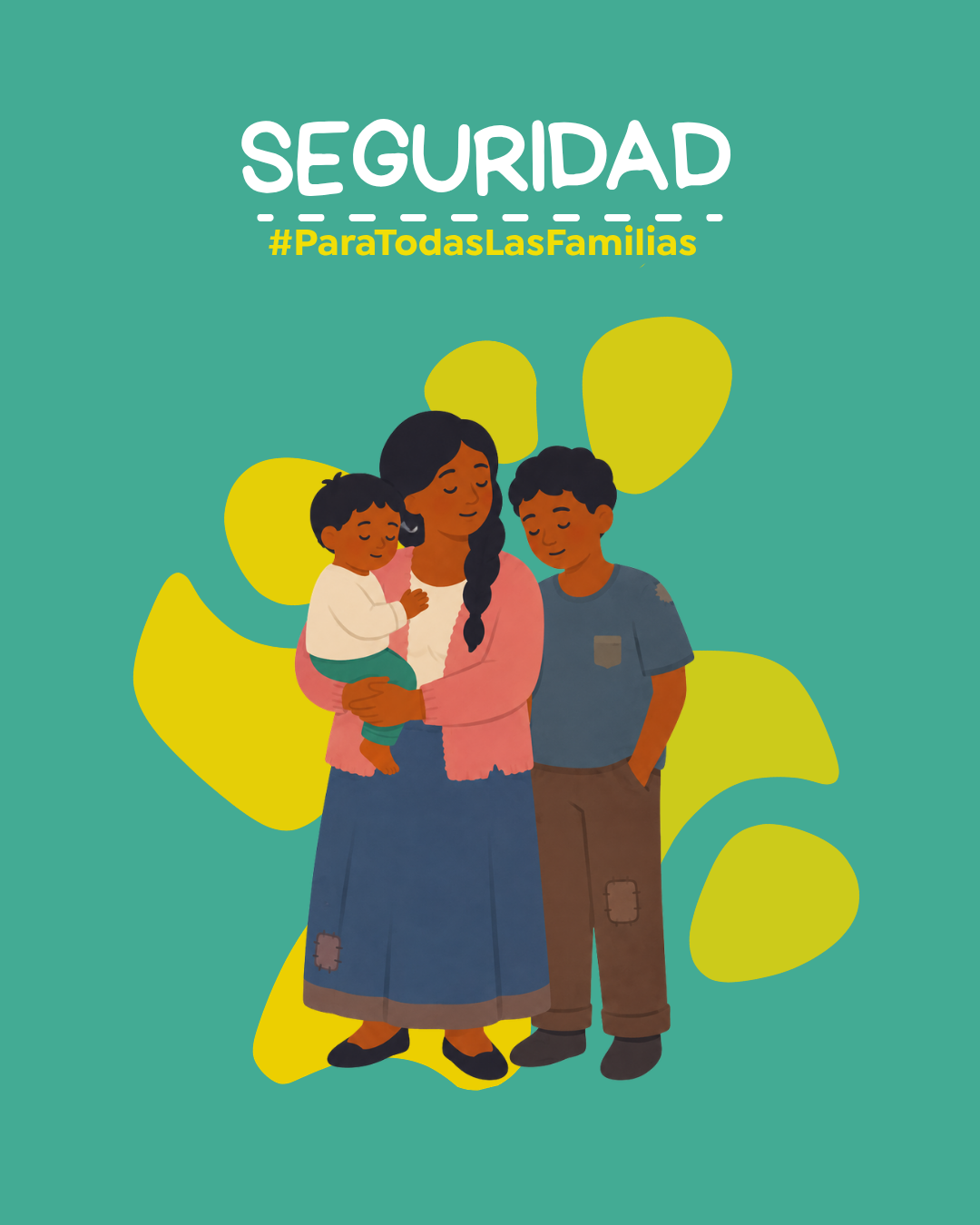
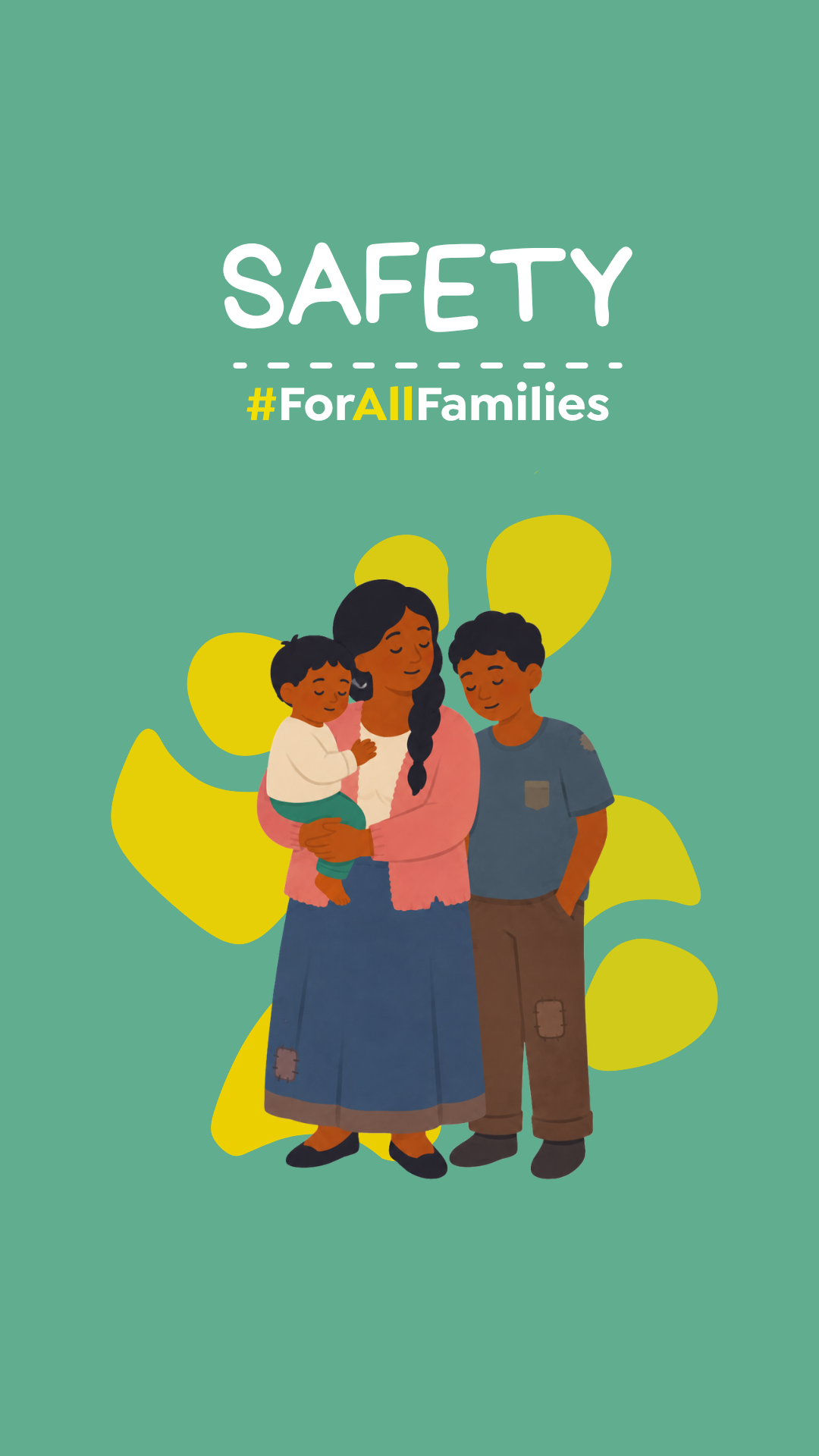
Families need safety from violence, war, displacement, and climate disaster.
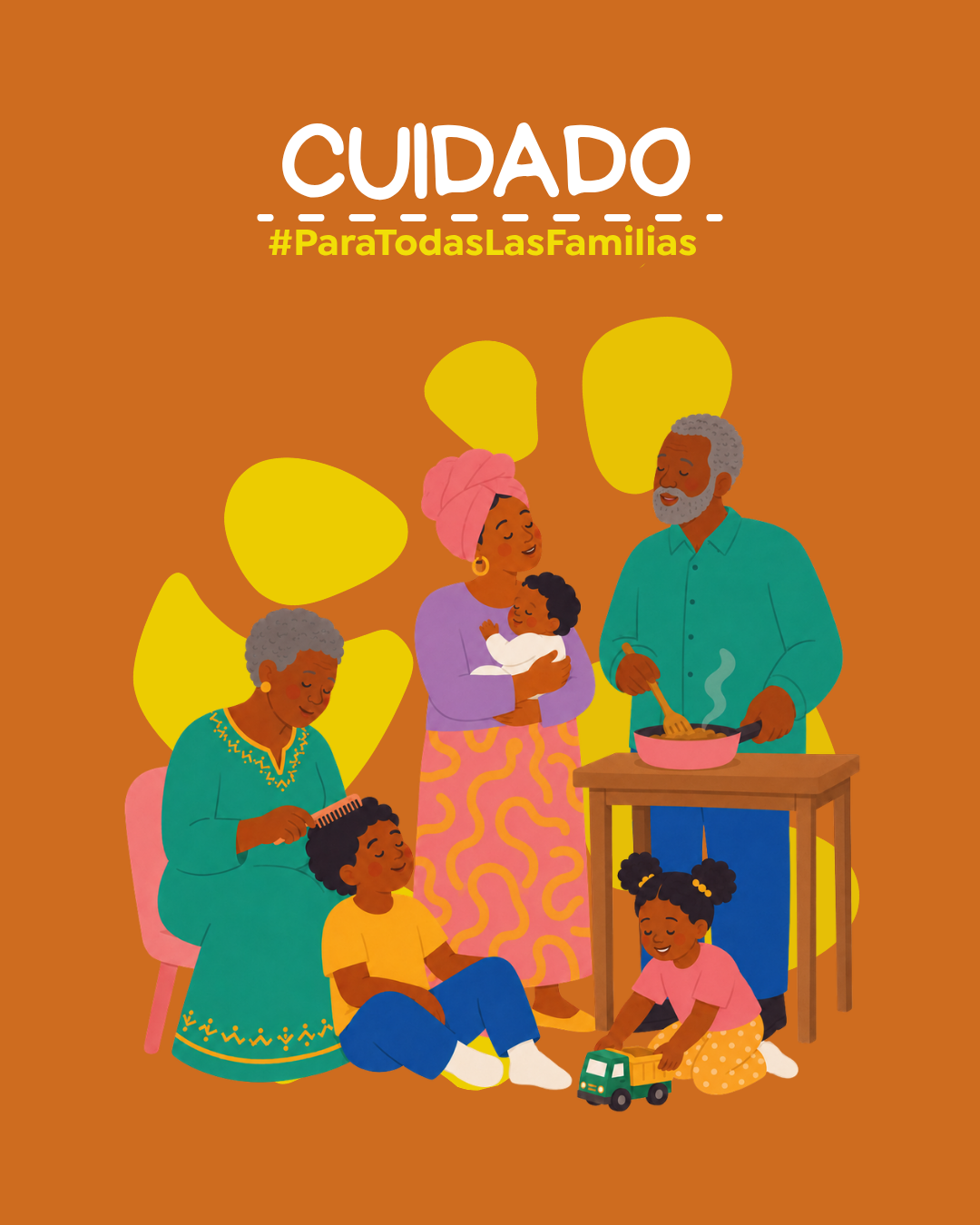
They need care systems they can rely on.
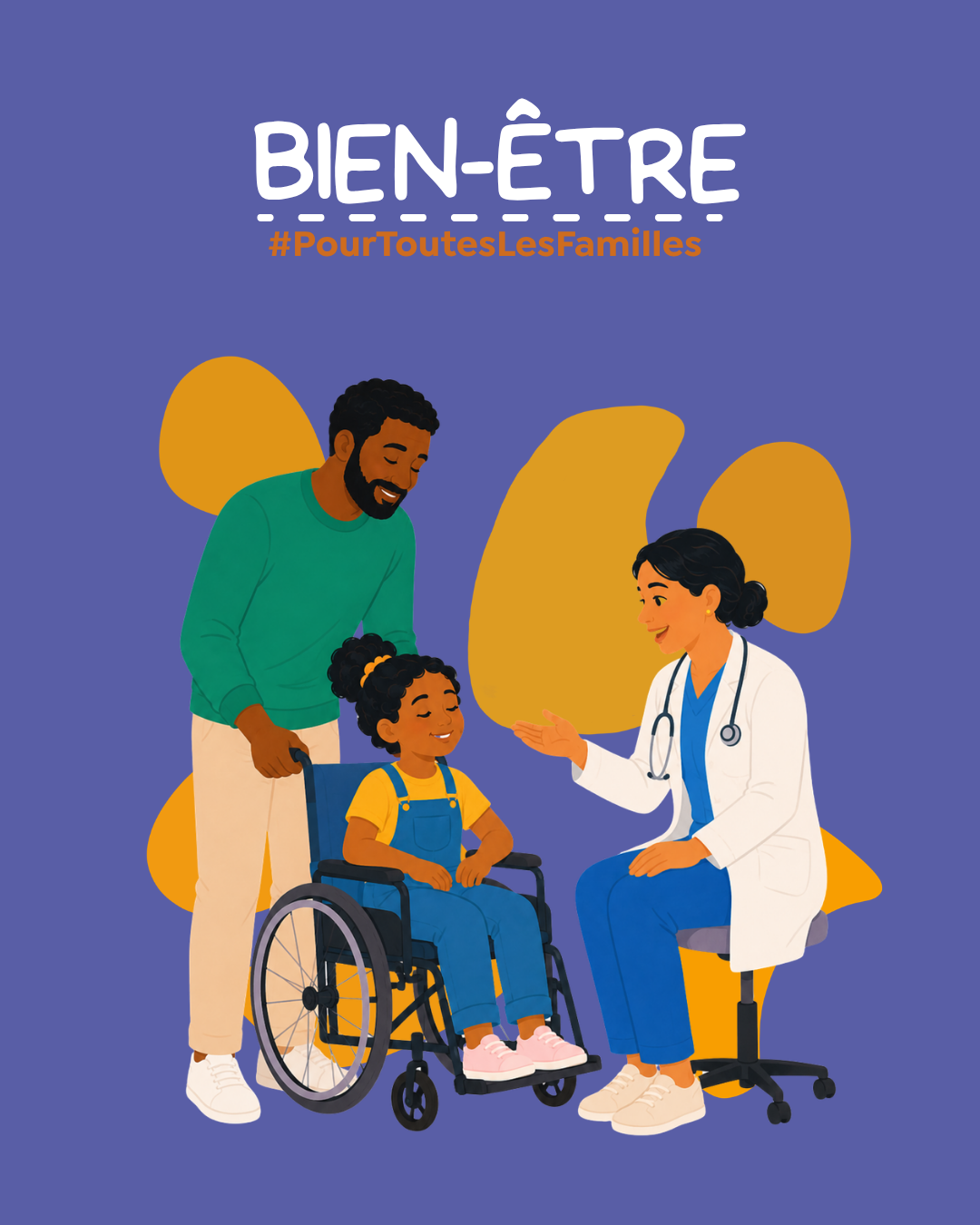
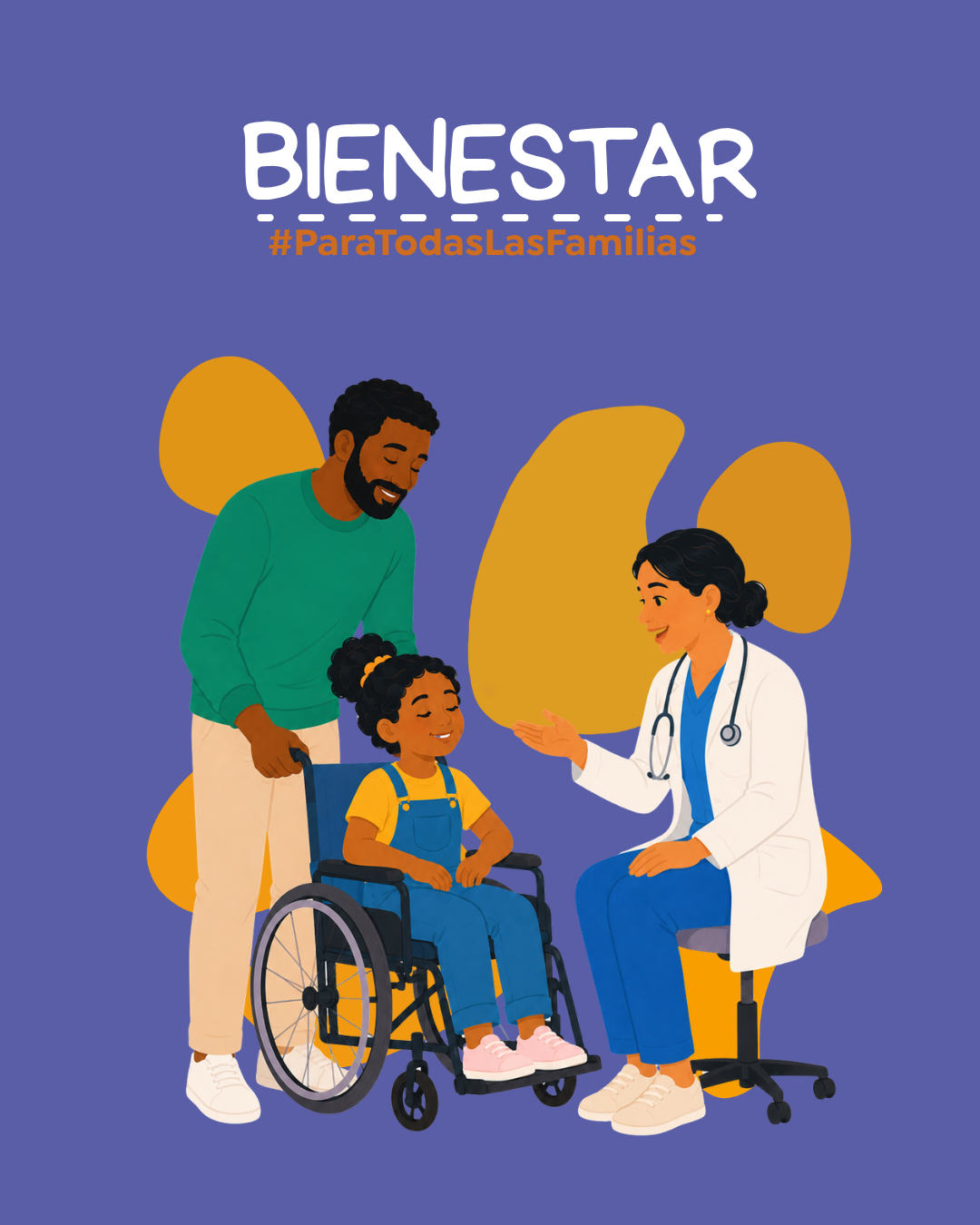
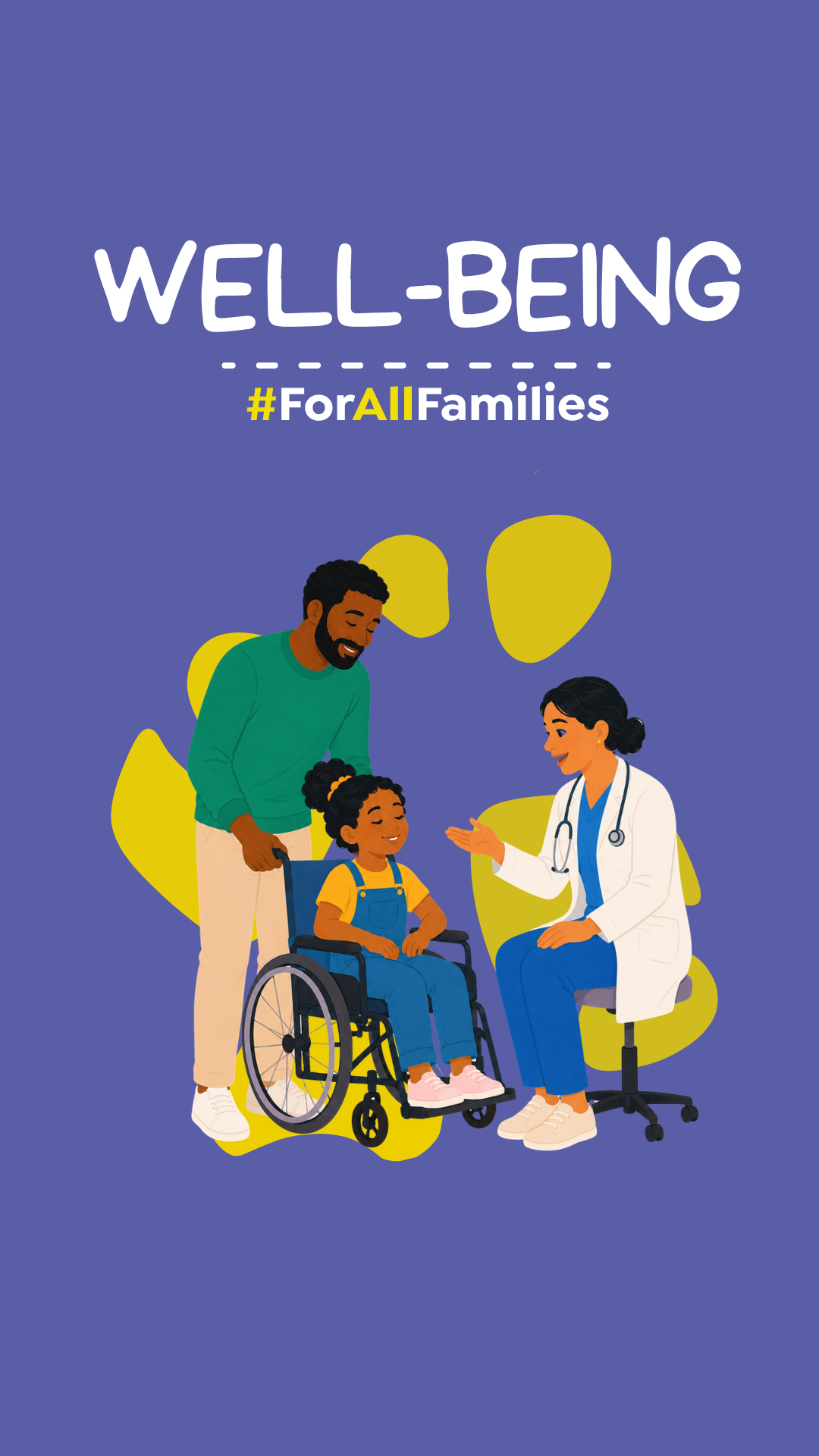
They need healthcare, including sexual and reproductive healthcare.
They need housing, food, education, and decent work.
They need the freedom to move, to stay together, and to define their own futures.
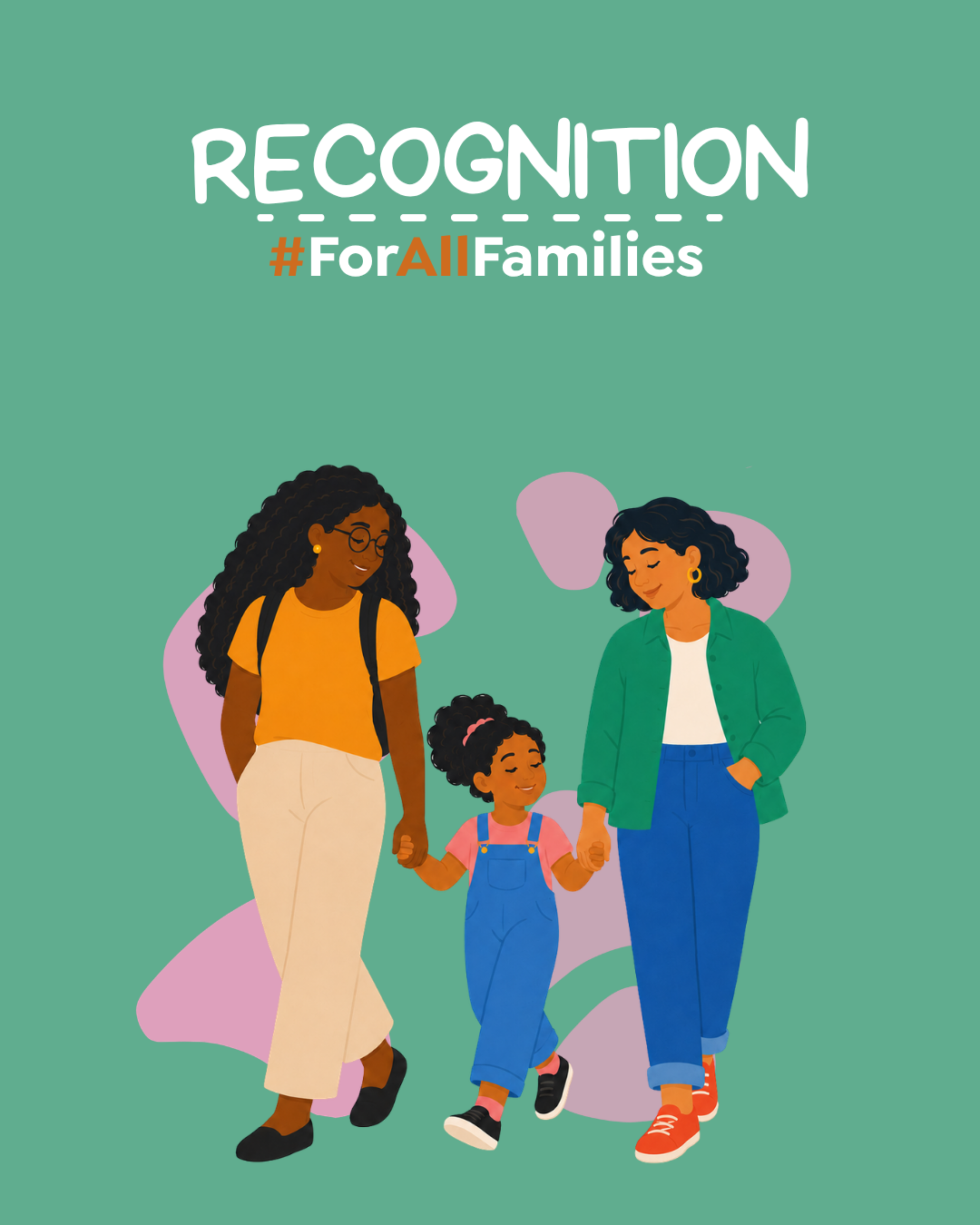
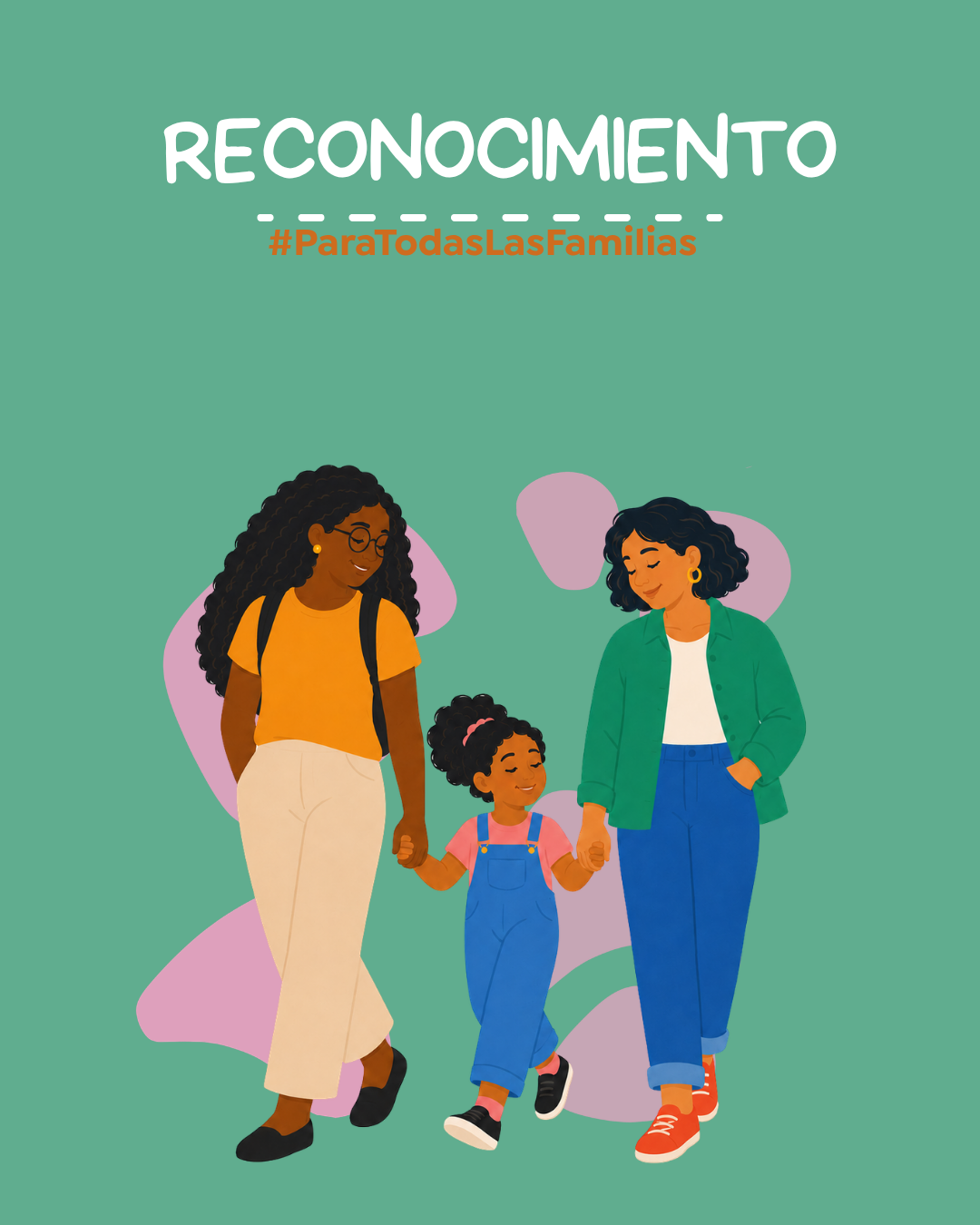
They need recognition in all their diversity.
These needs easily translate to policy demands, ones that are truly pro-family: universal healthcare, paid parental leave, social safety nets, freedom from violence, legal recognition, and the freedom to pursue our own life projects.
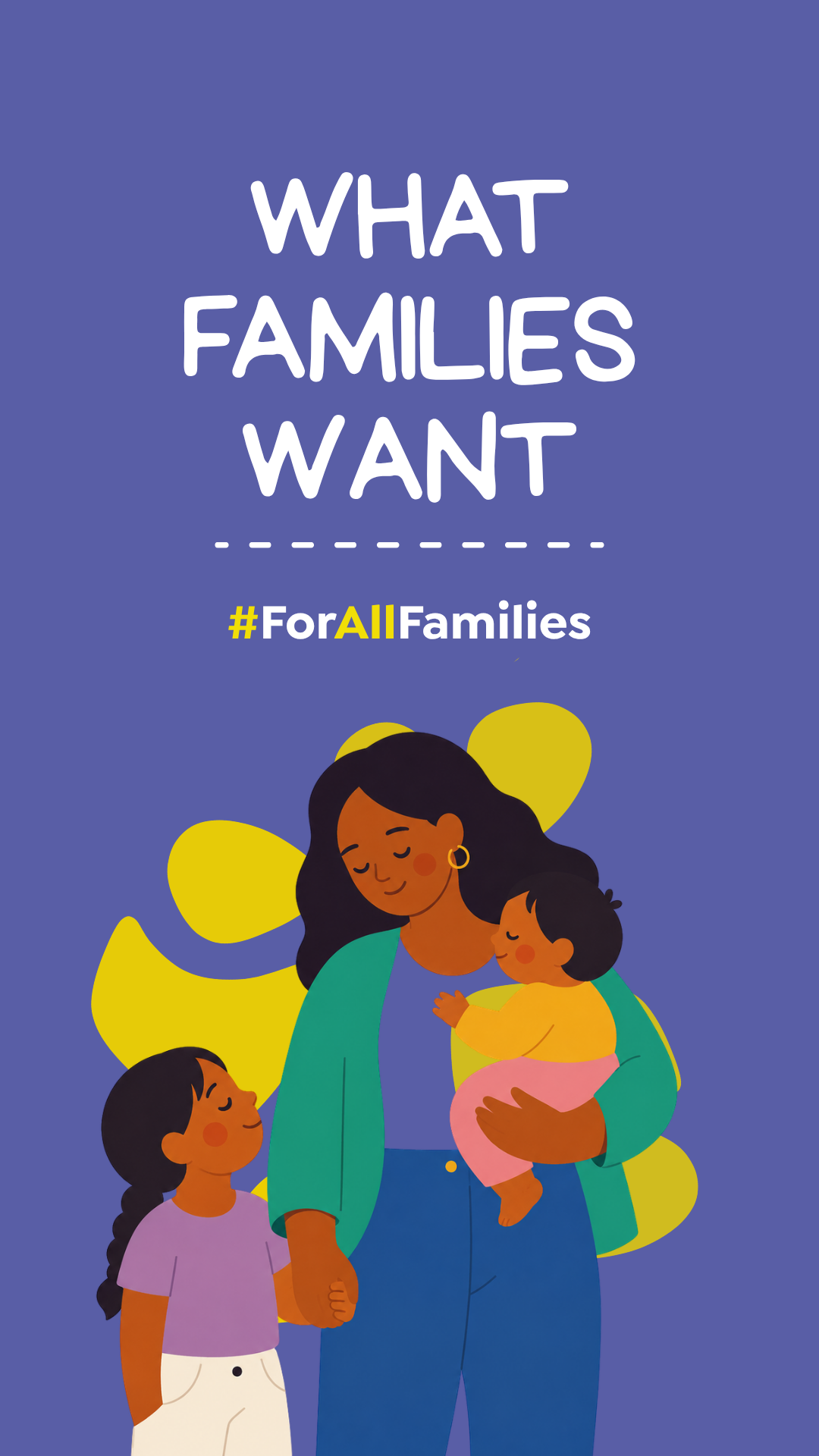
Join us in reshaping the narrative around what families want! #ForAllFamilies
This toolkit is everything you need to participate. It is designed to work whether you have ten minutes or ten days. Whether you are in a country where this campaign can run loudly, or one where it must move carefully. Whether you have a comms team, or whether you are one person doing this between other work.
Read the parts that serve you. Skip the parts that don't. Adapt freely. The campaign belongs to all of us.
With solidarity,
The Fòs Feminista team
How to Use This Toolkit
The political argument. Why this campaign and what we are demanding.
Copy-ready statements you can use in your own communications.
Key statistics you can use.
Suggested ways to participate, organized by how much capacity you have.
How to reach us for questions or coordination.
The Campaign
This campaign makes arguments for the conditions all families need to thrive.
Concretely, that means:
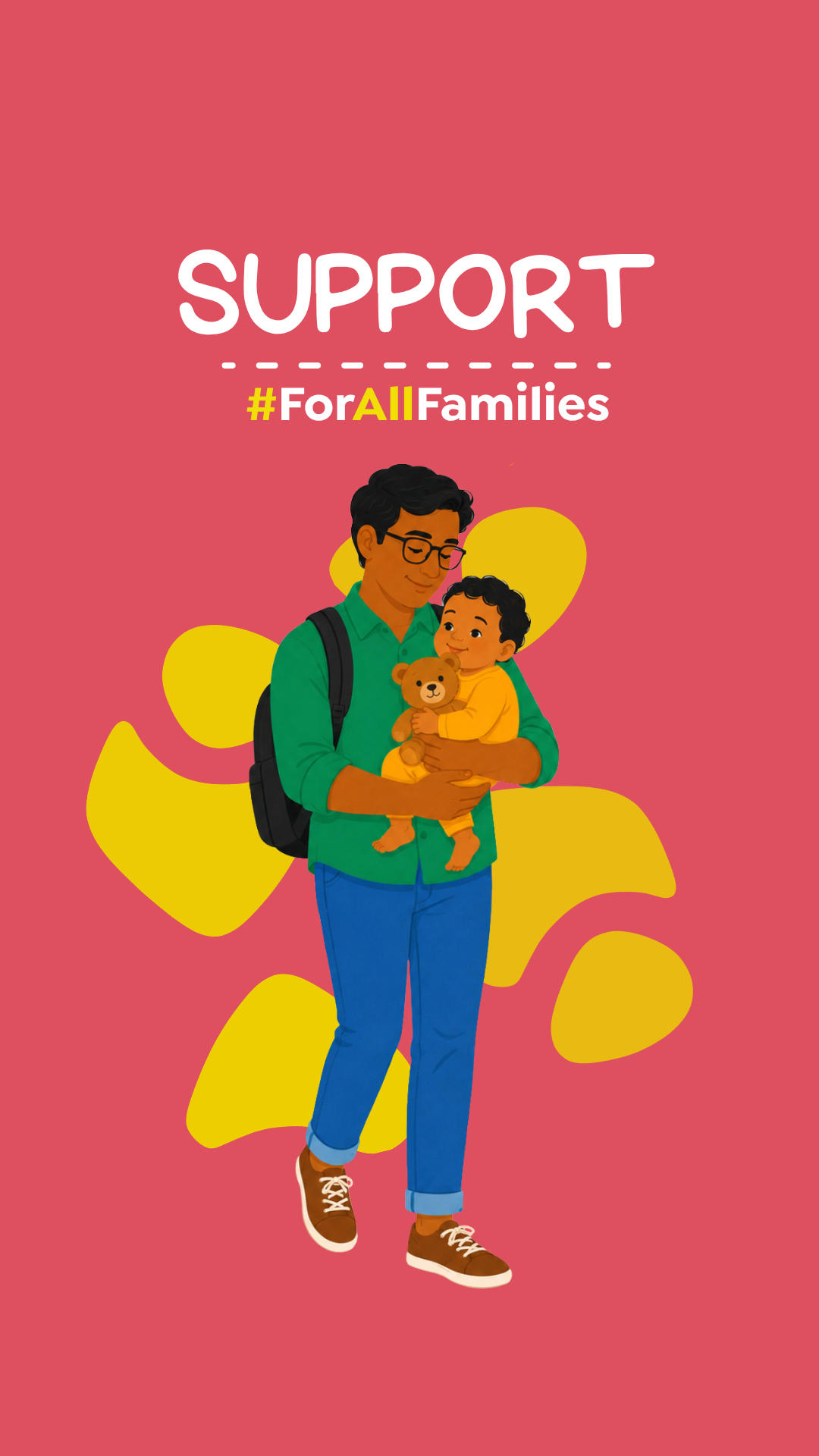
Social safety nets, cash transfers, social protection programs that reach every family.
Universal healthcare, including sexual and reproductive health, mental health, and the conditions of a healthy life.
Freedom from violence in all its forms: gender-based violence, state violence, the violence of institutions that refuse to recognize us.
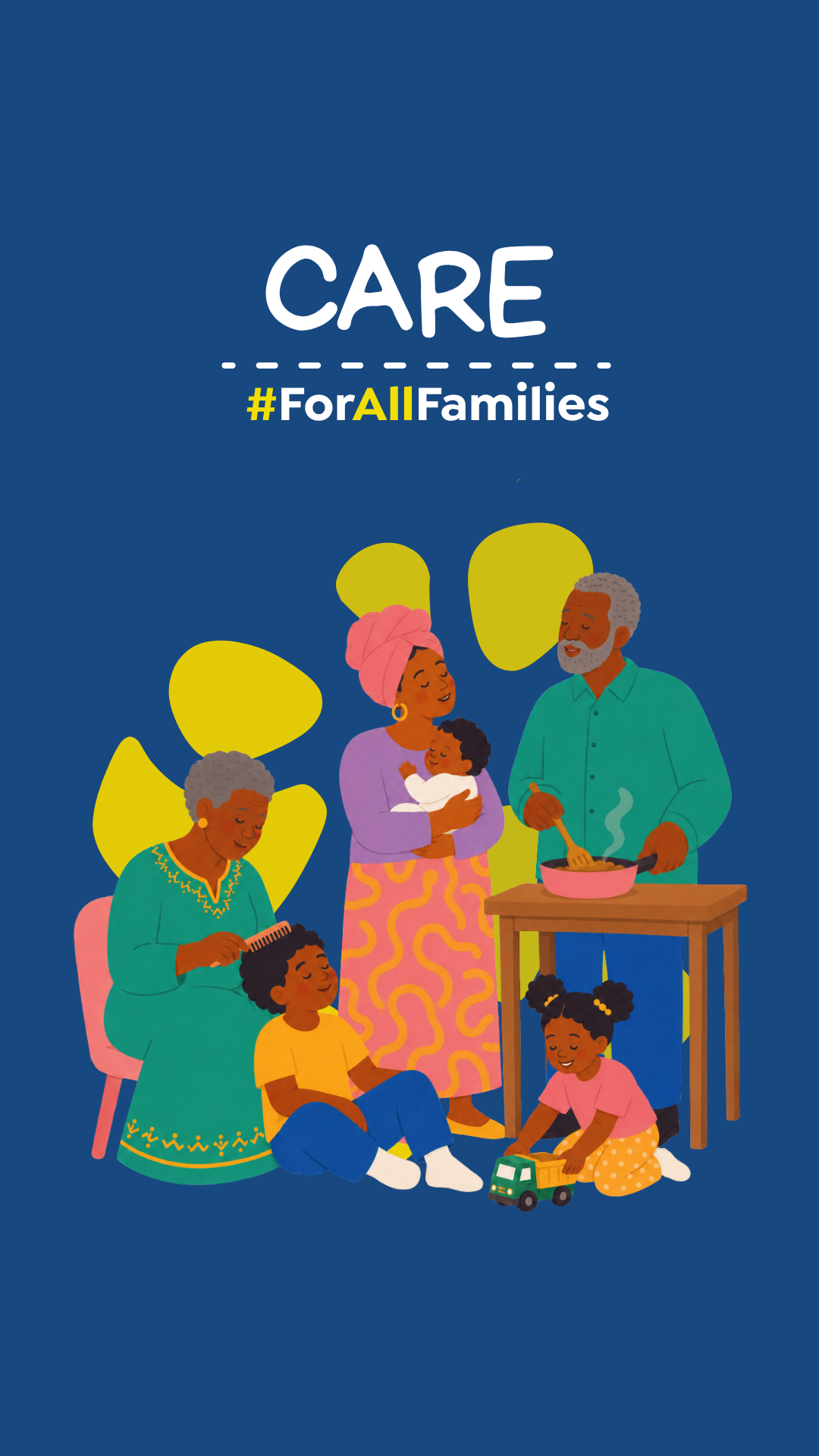
Public care systems. Childcare, eldercare, healthcare. The work of care, paid, shared, recognized.
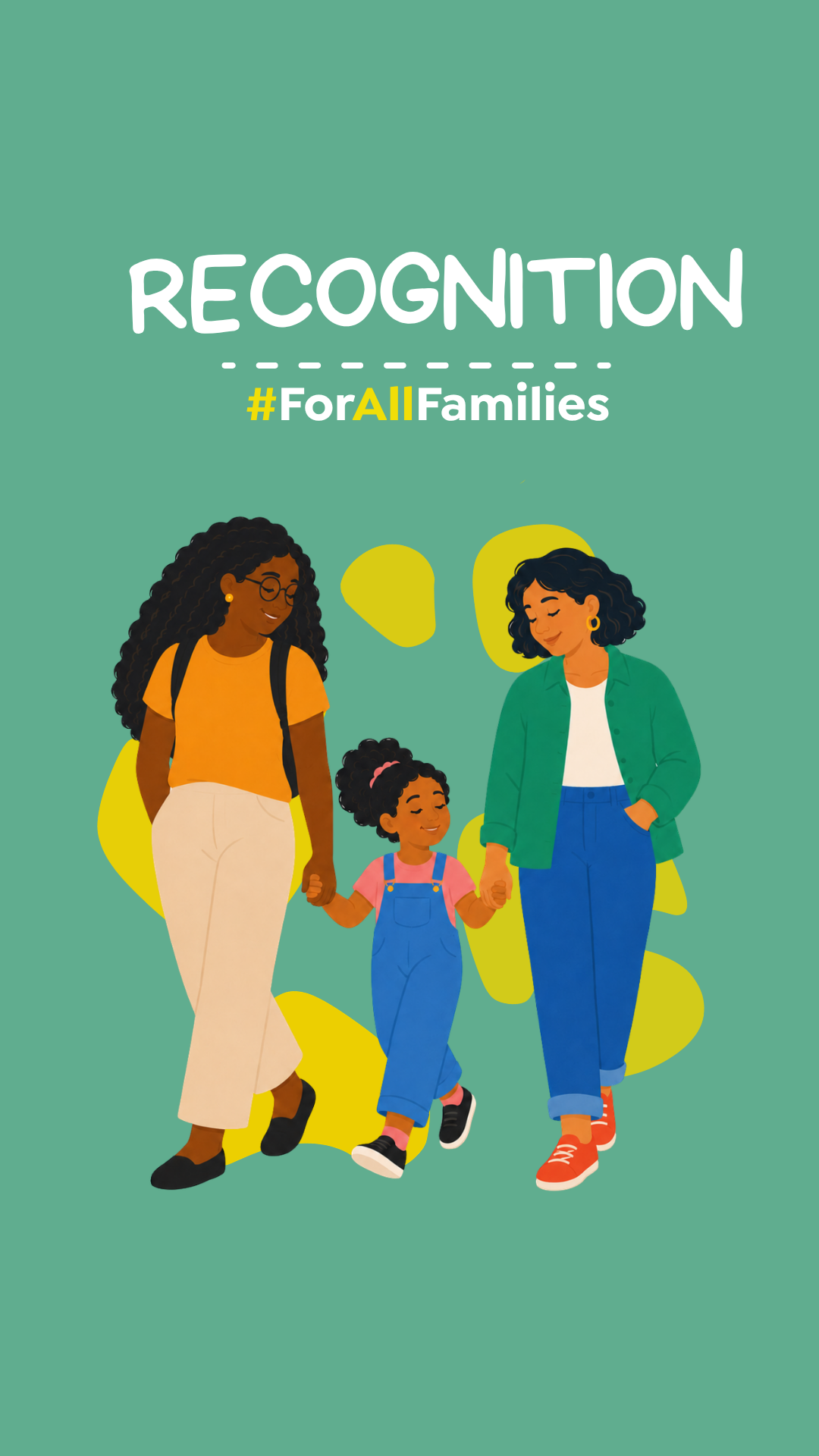
Freedom from discrimination. Legal recognition for every family.
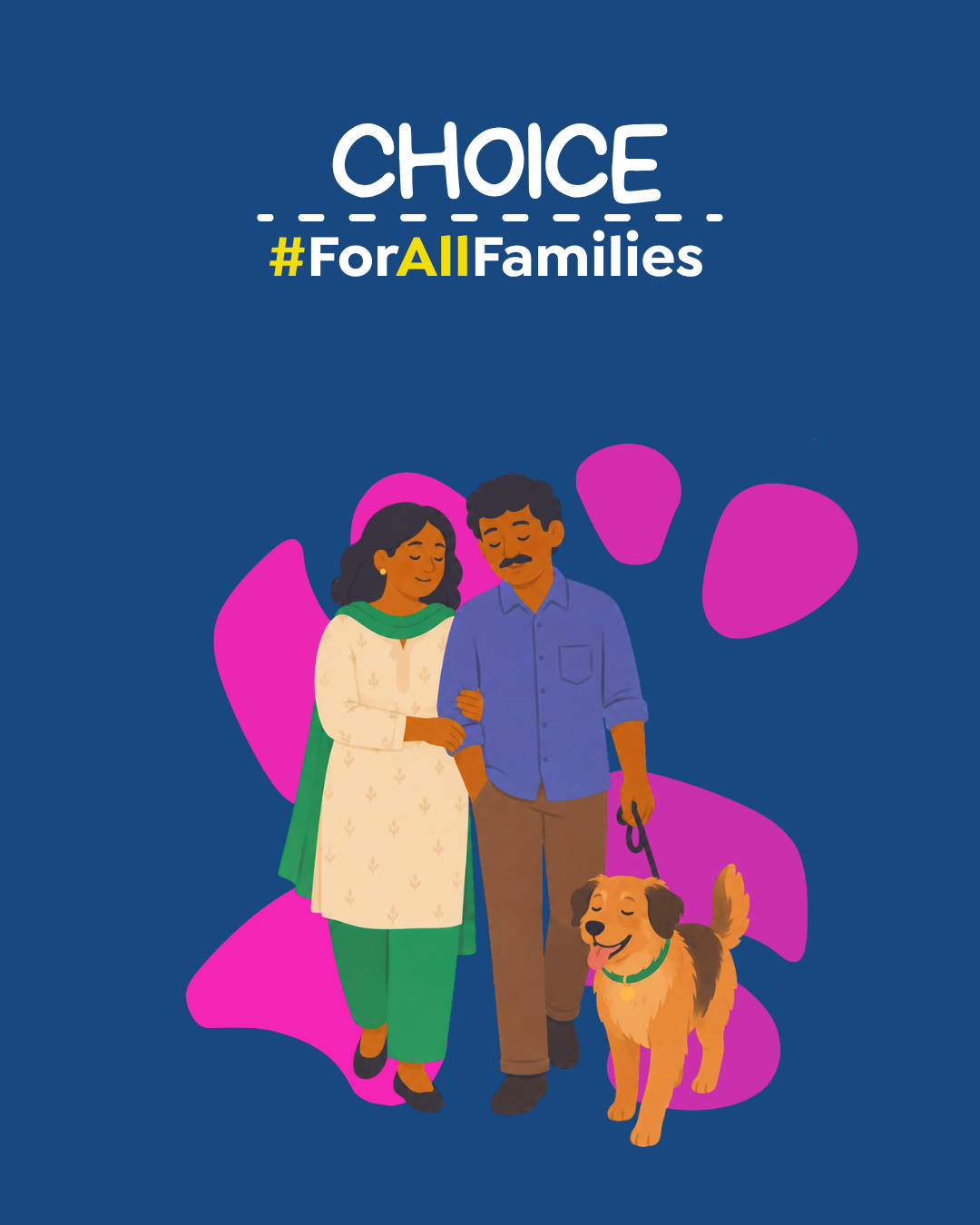
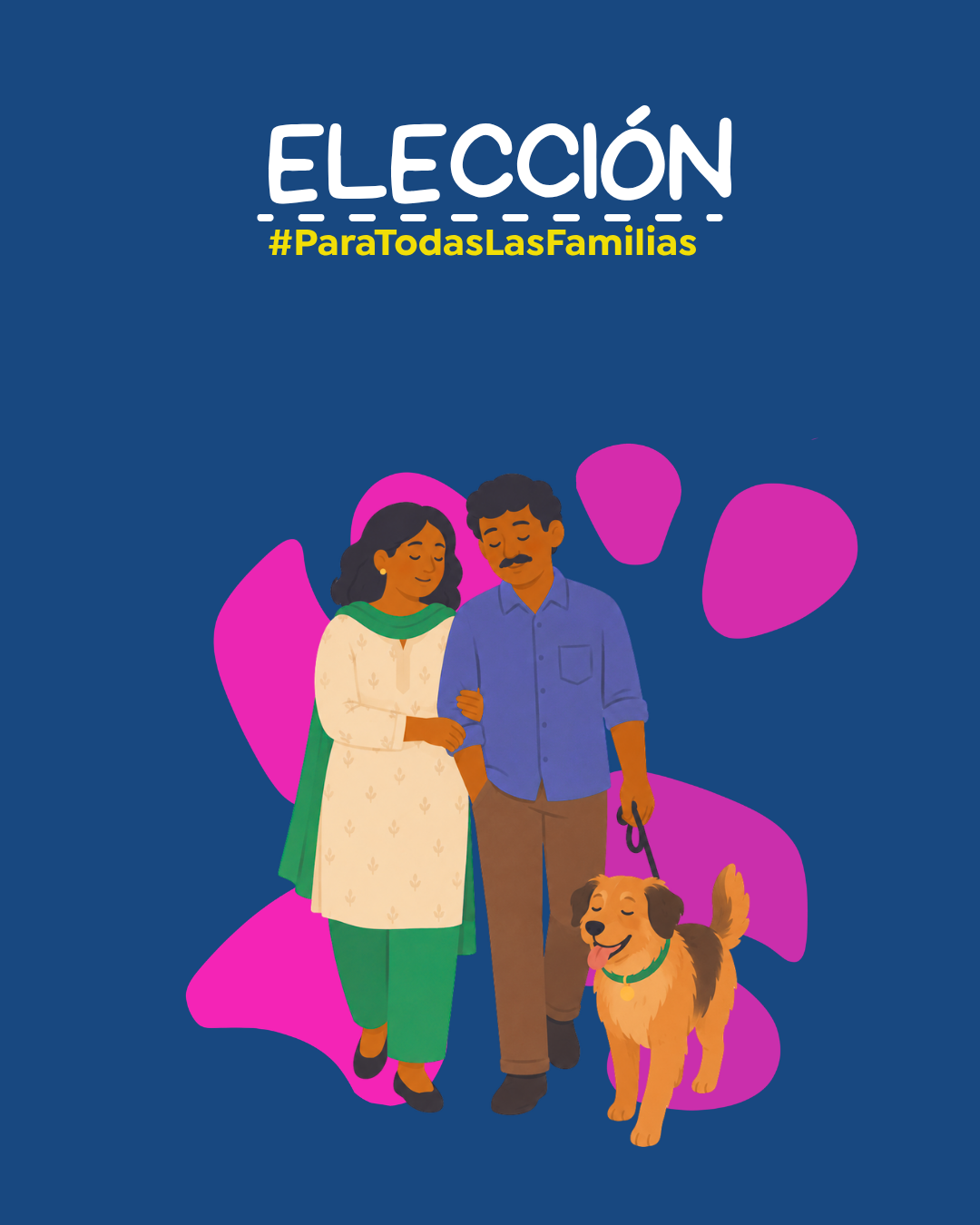
The freedom to pursue our own life projects. To decide if, when, and how to build family. To imagine futures that are ours.
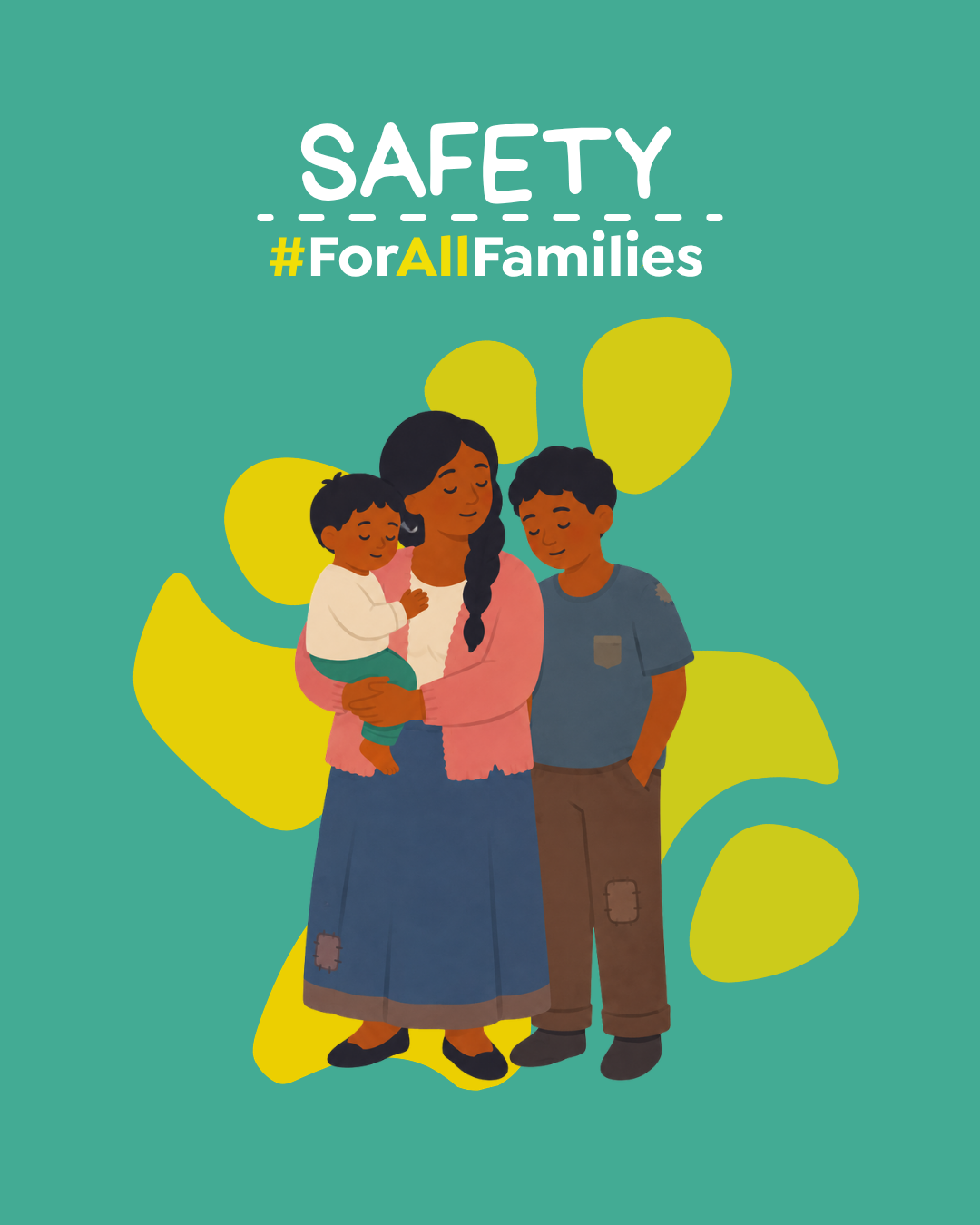
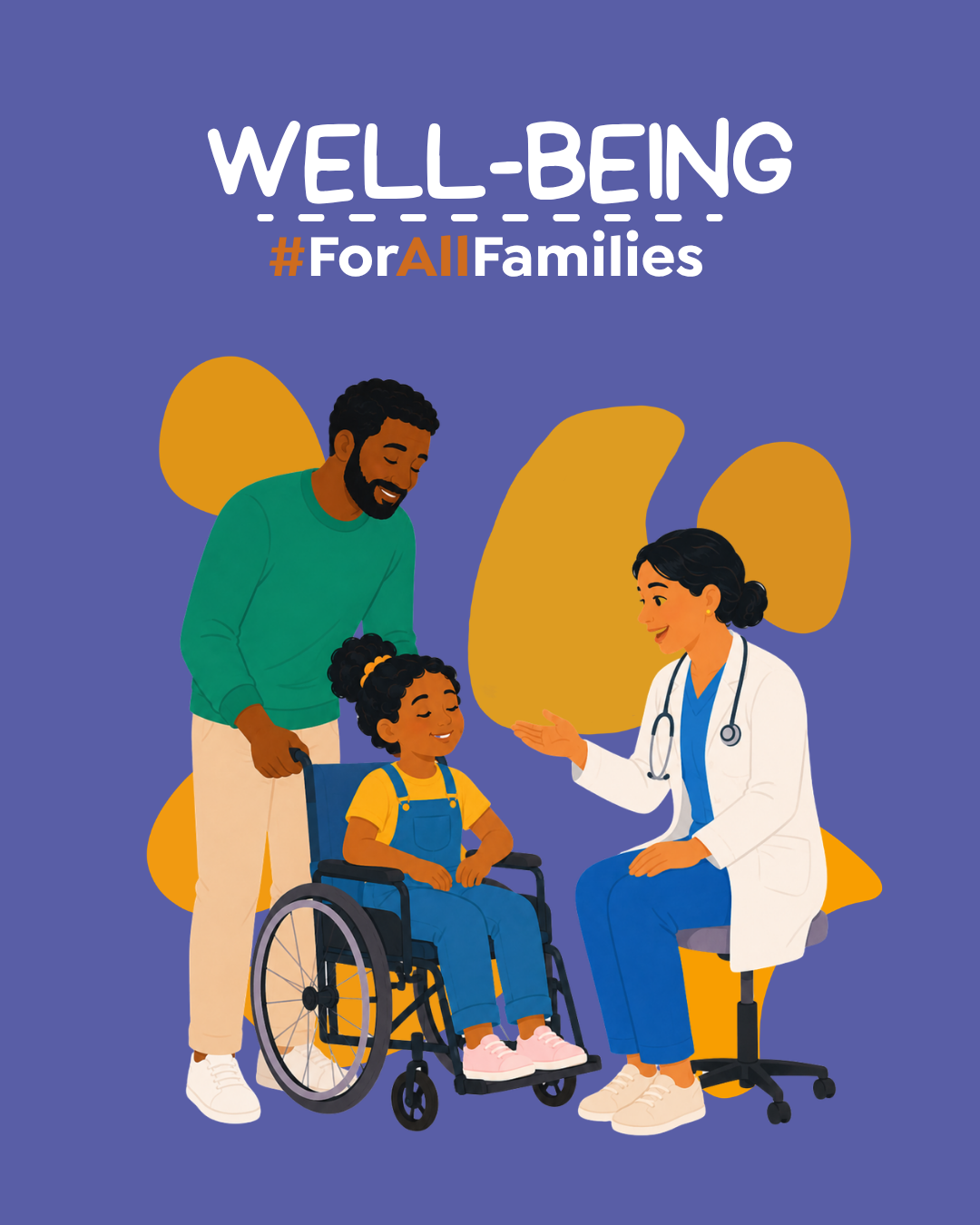
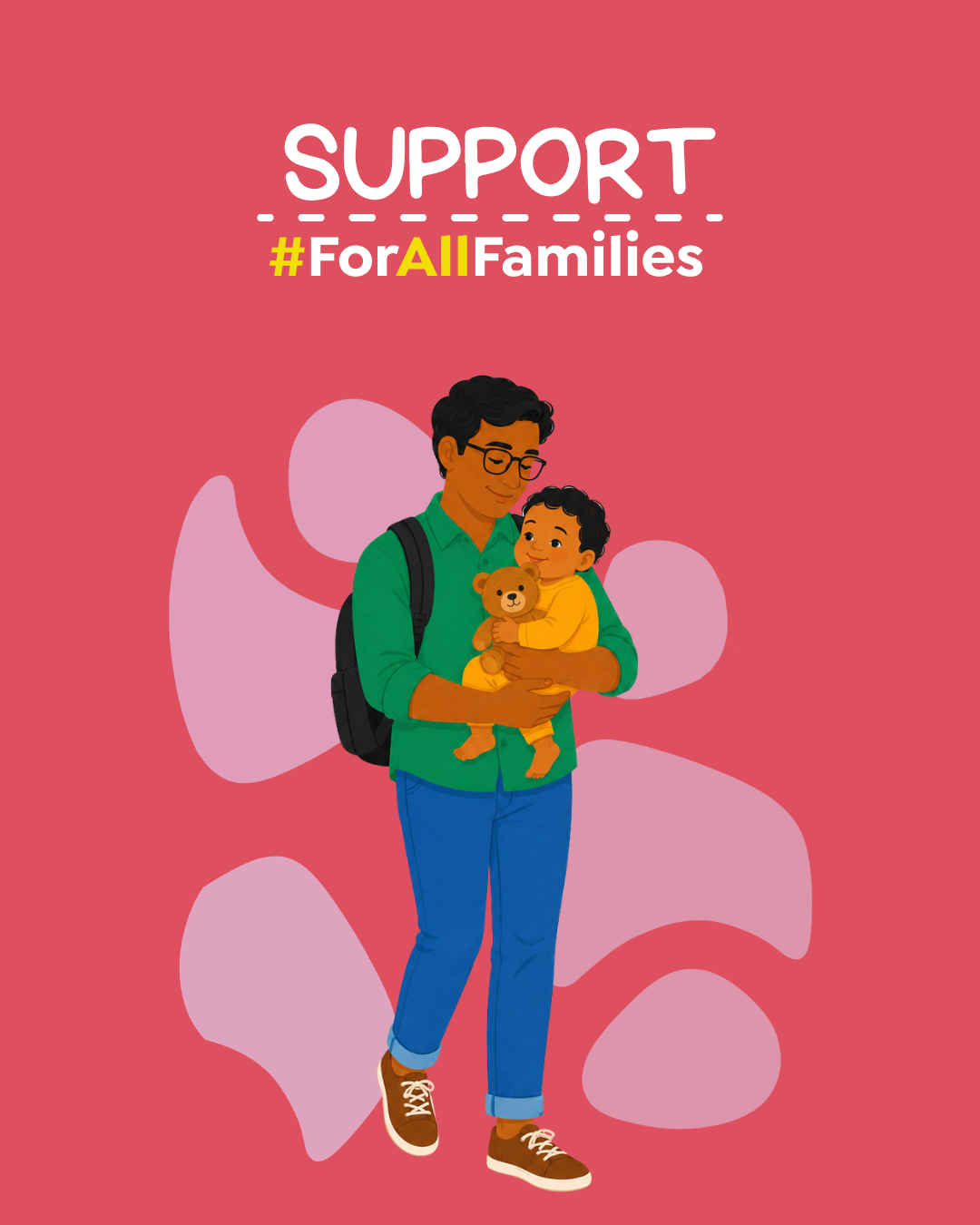
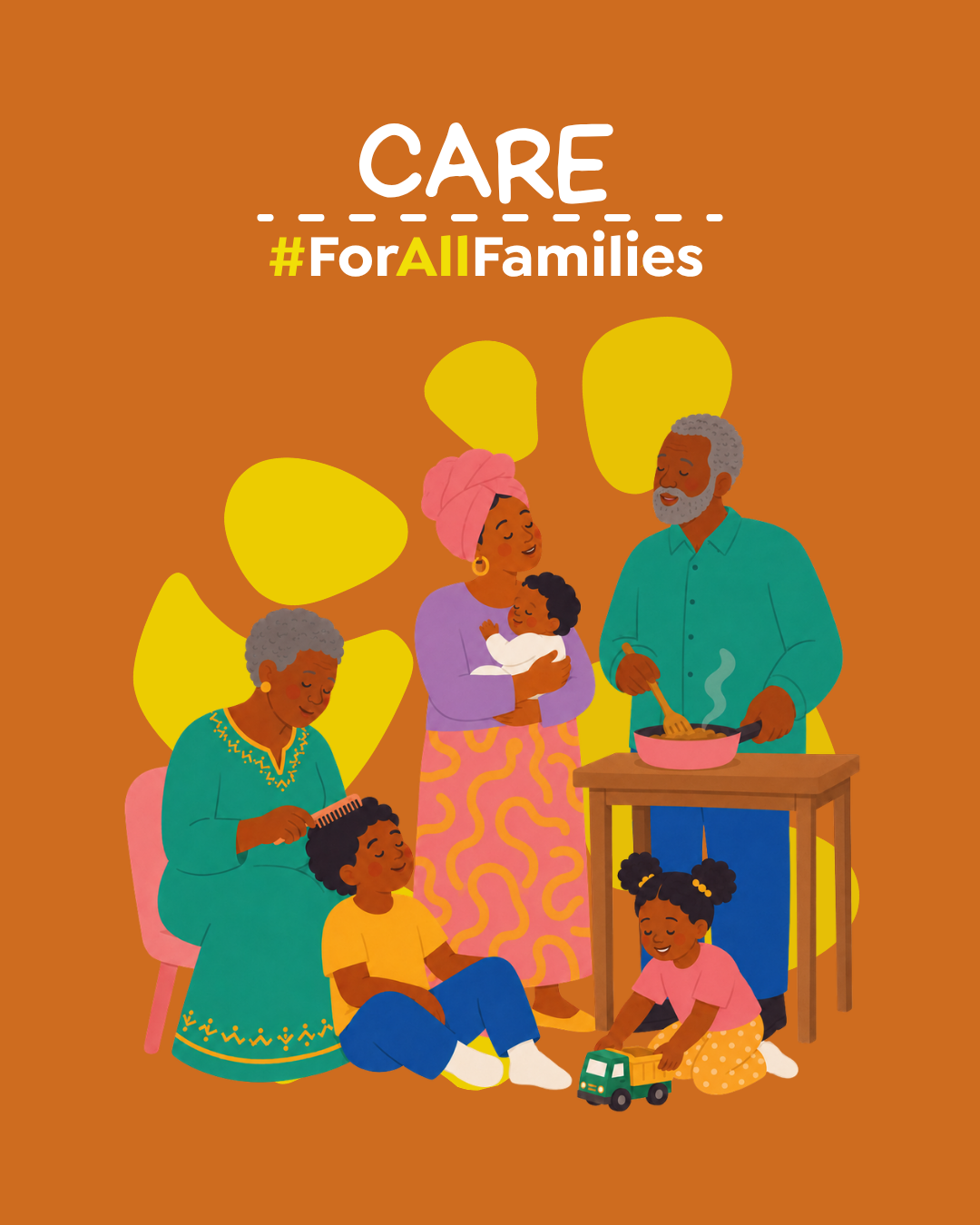
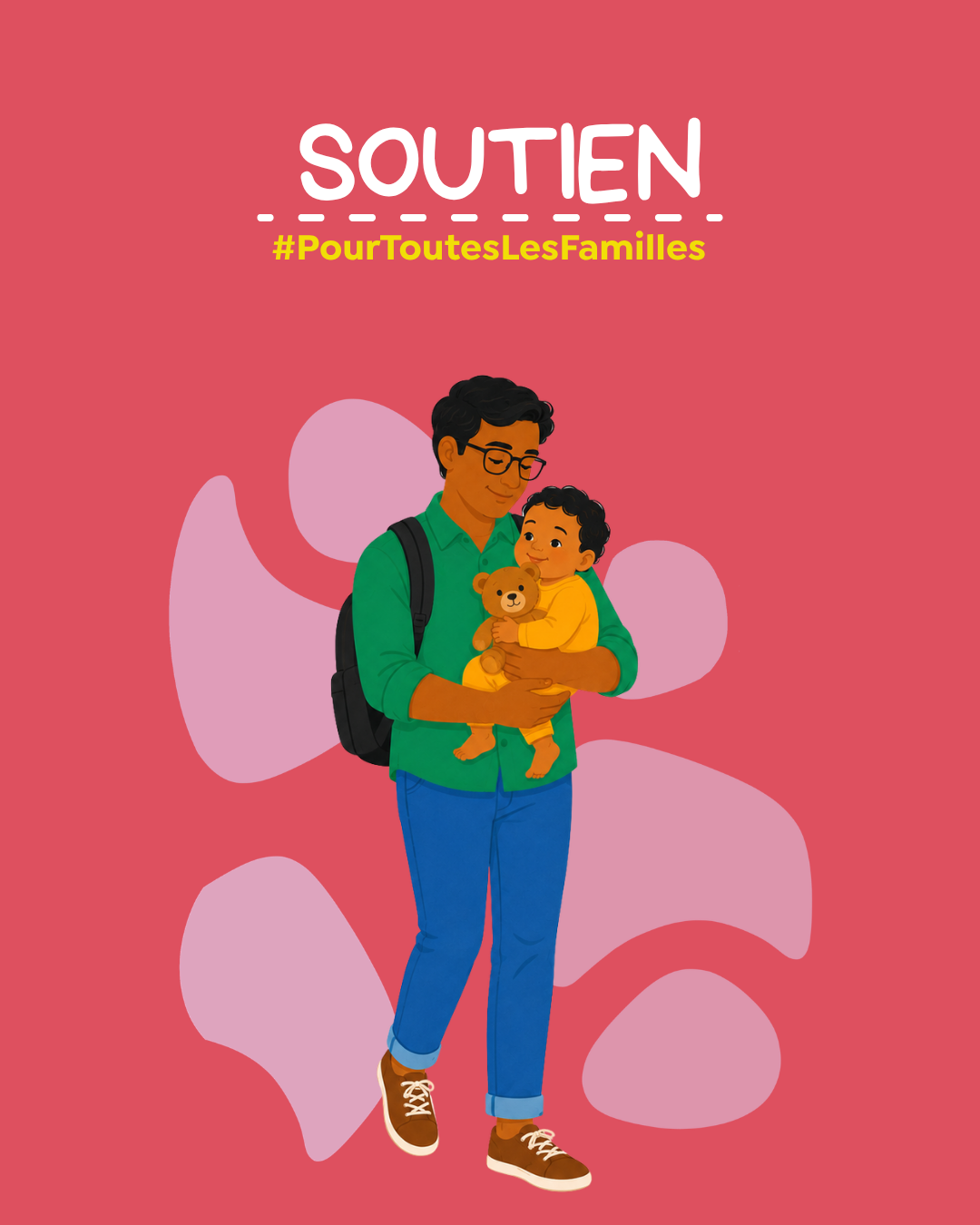
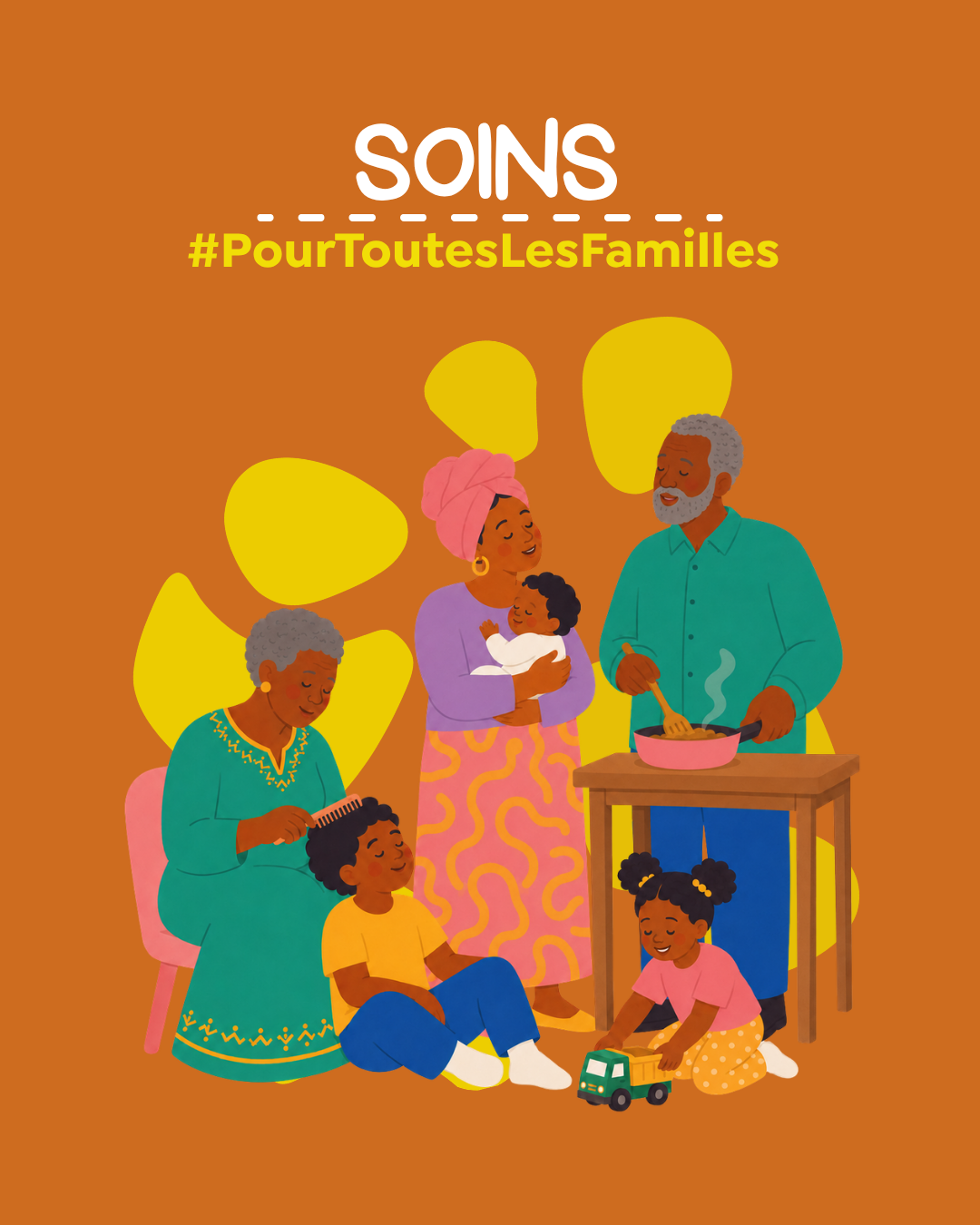
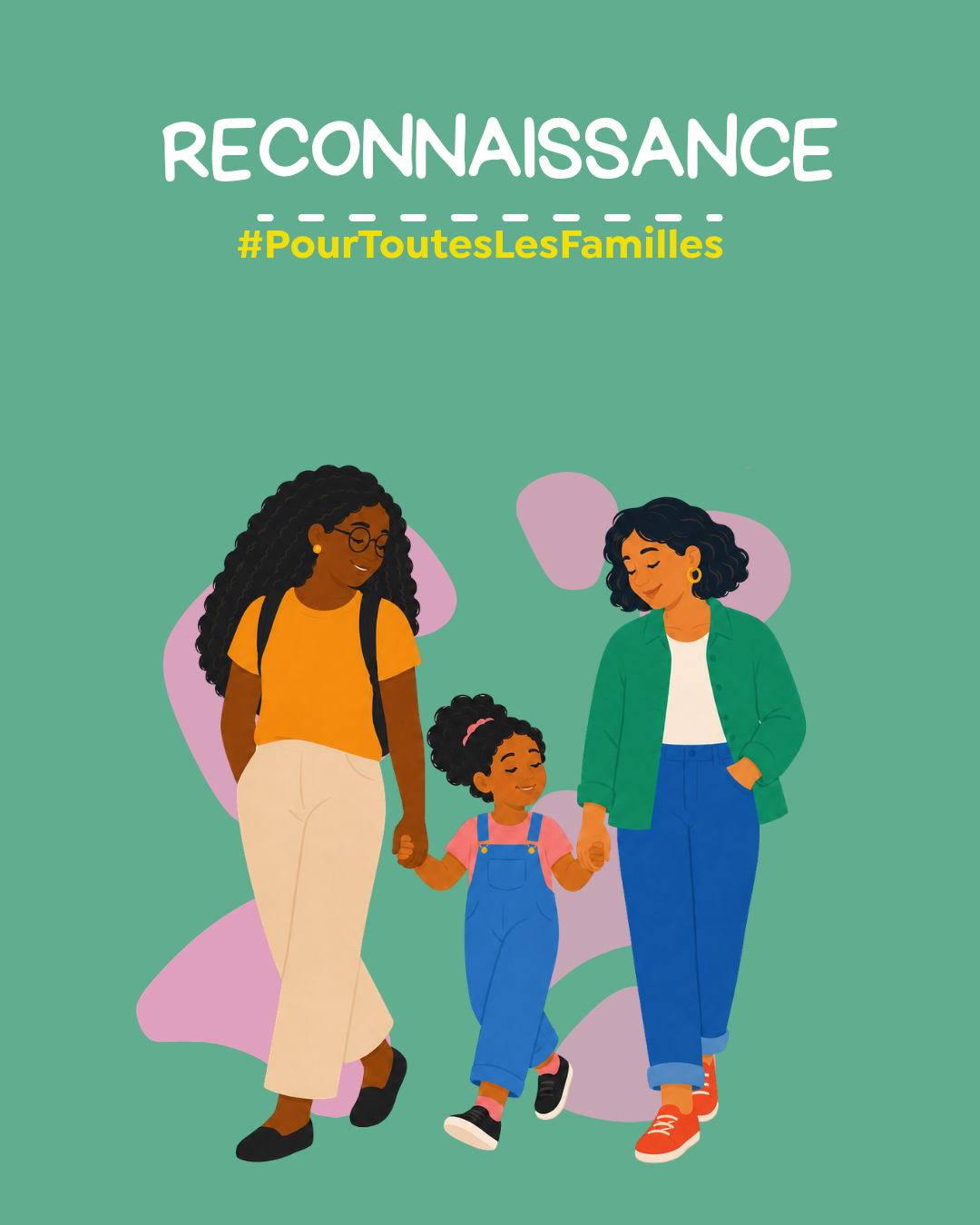
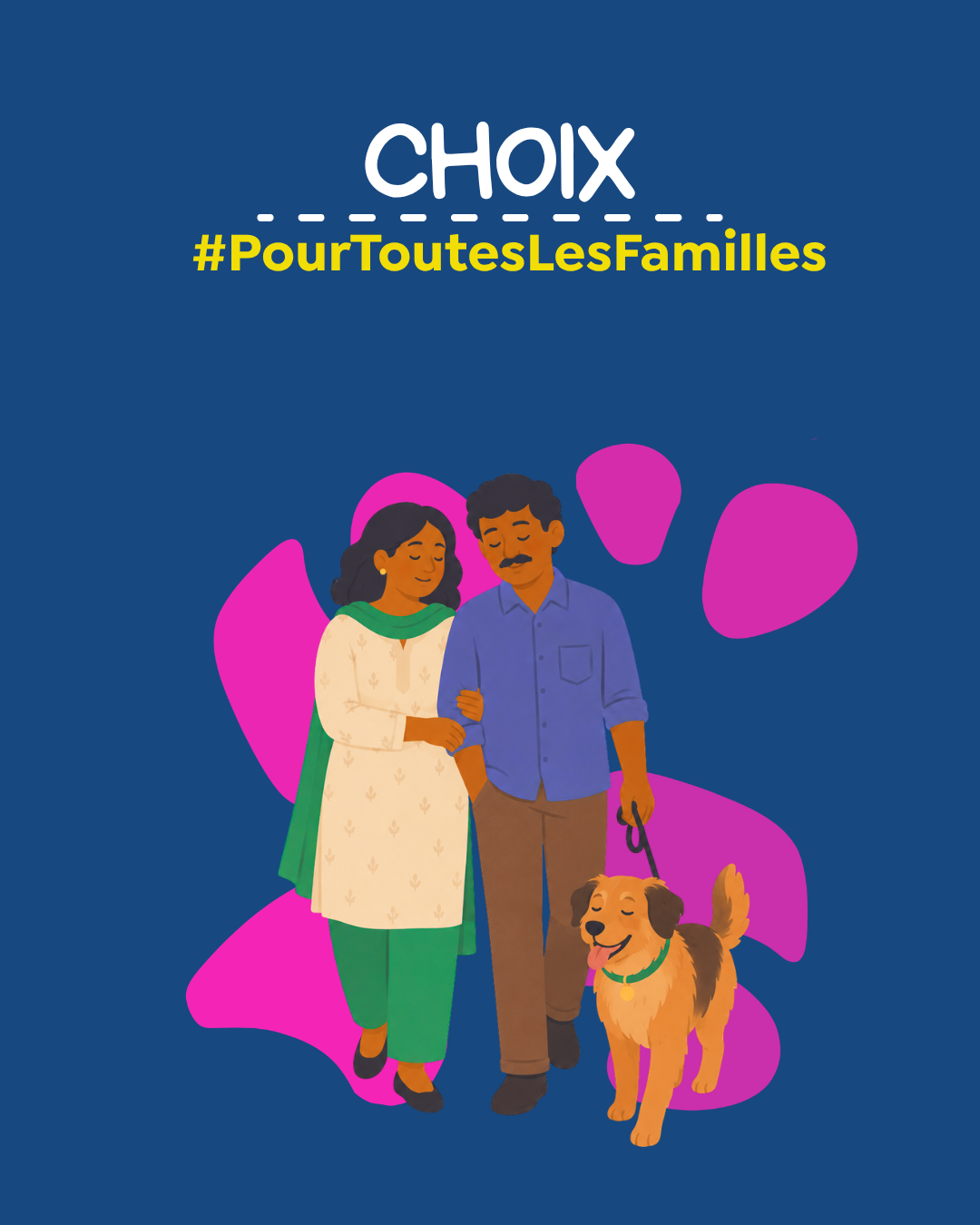
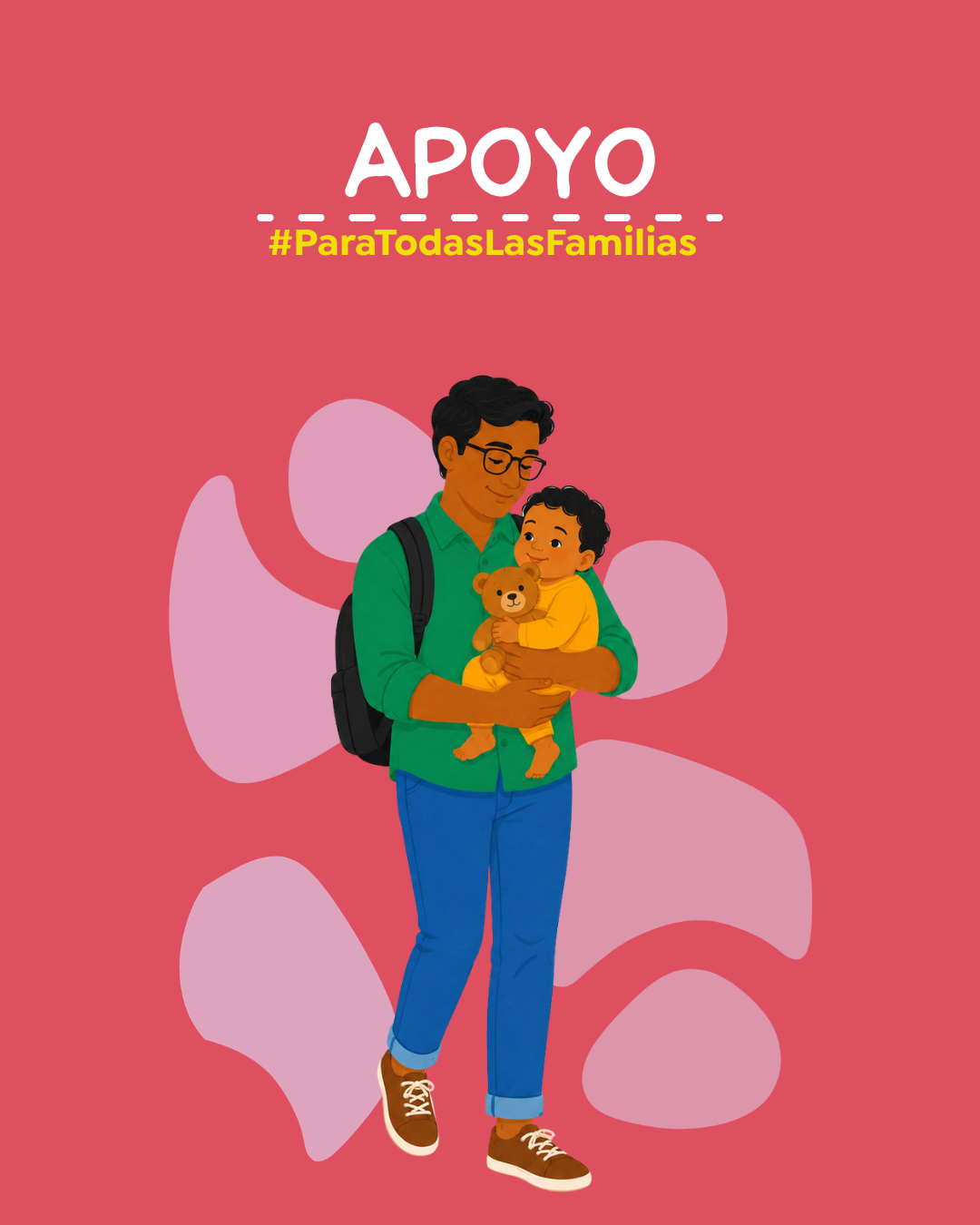
Square and feed-ready artwork. Click download to save each file.
Template for posts
Open in CanvaTemplate for posts
Open in CanvaTemplate for posts
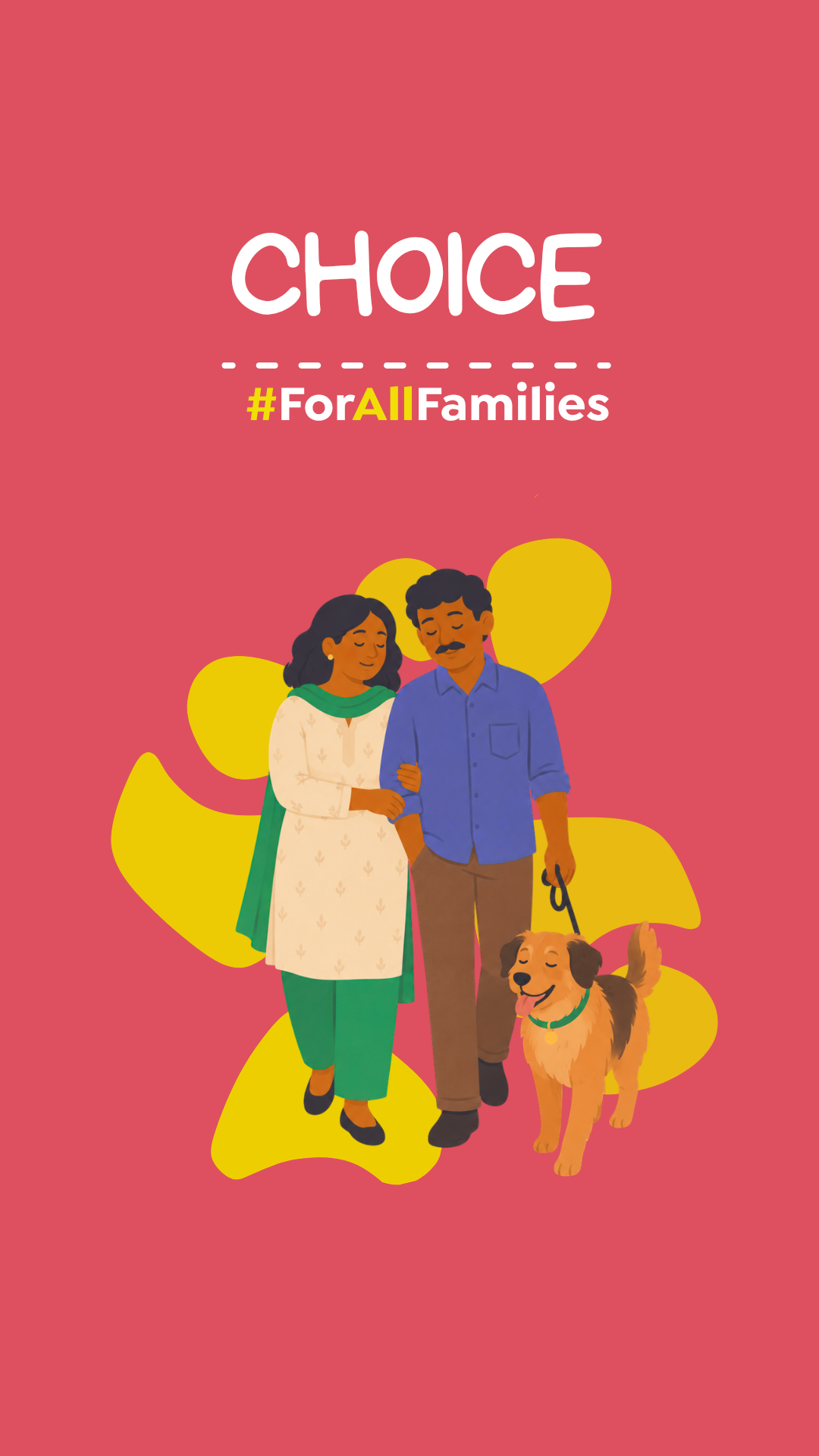
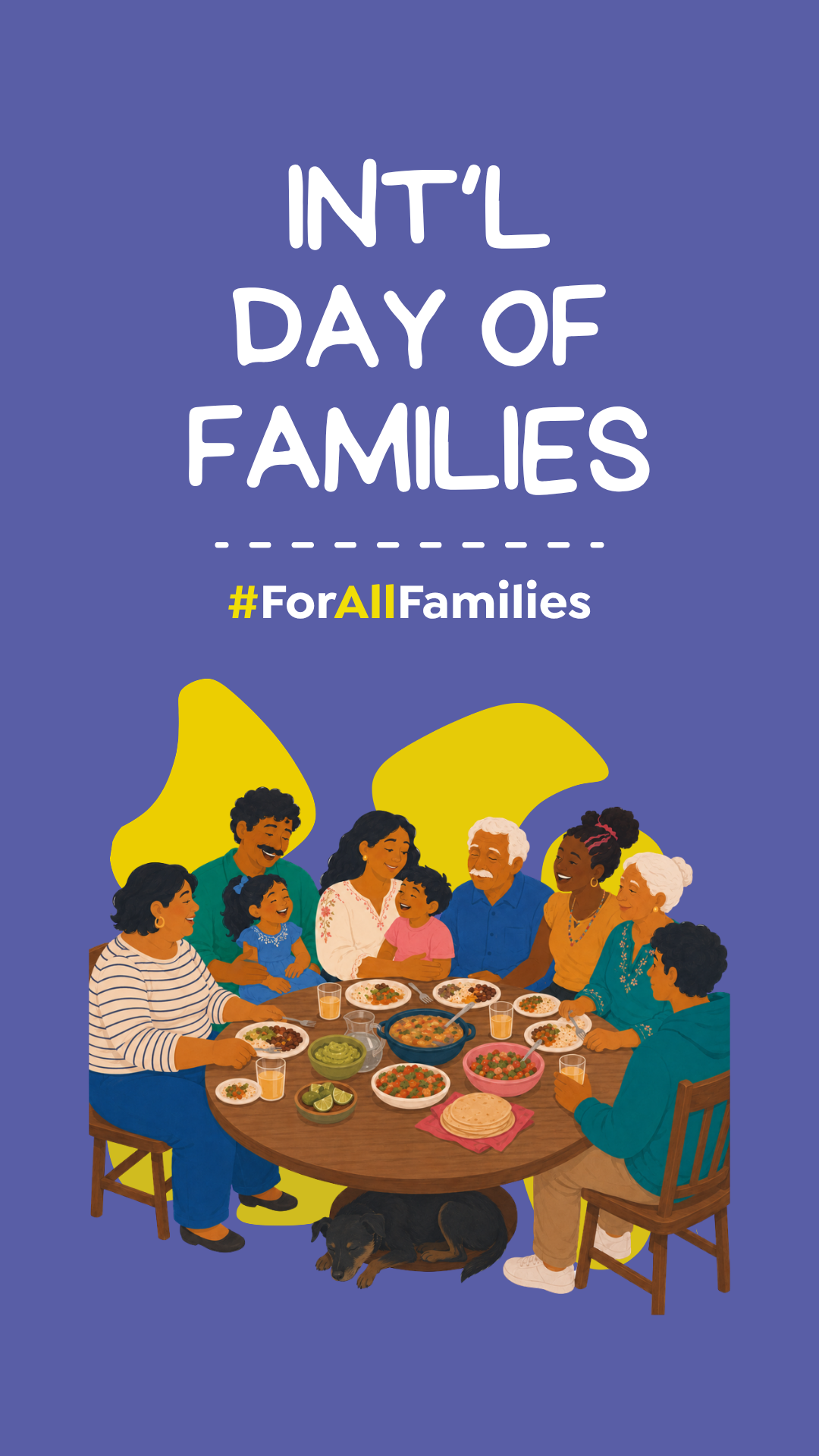
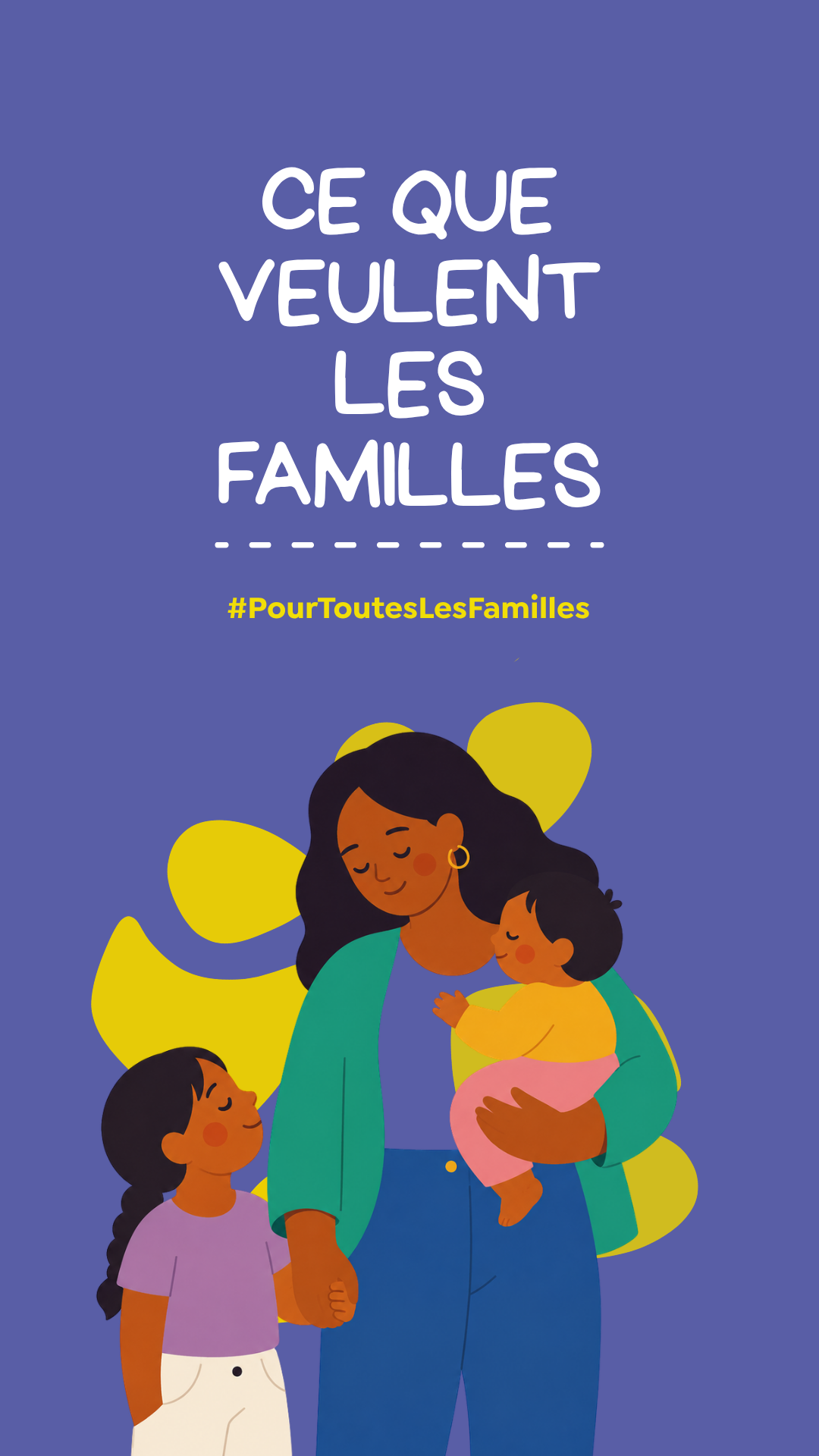
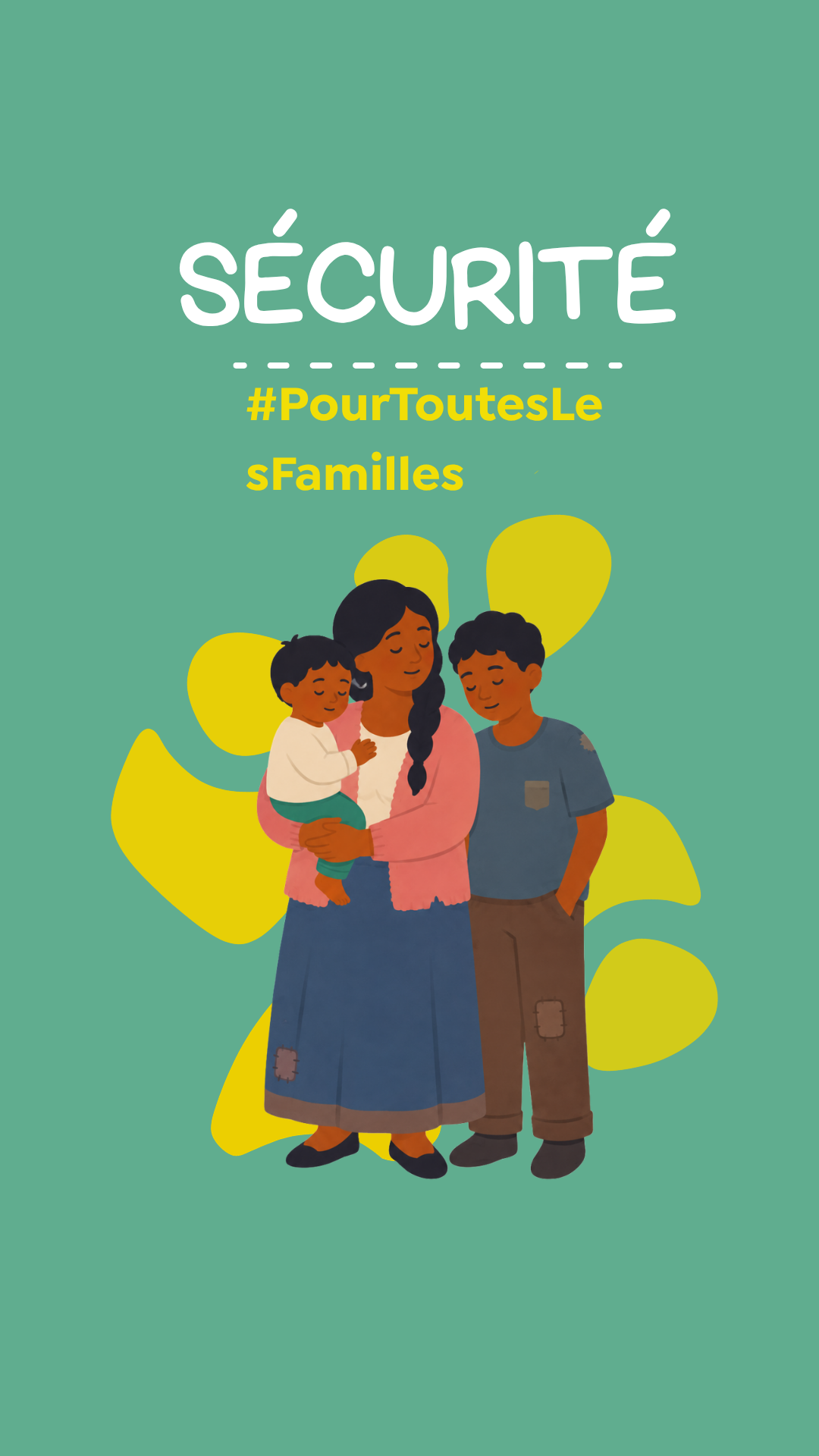
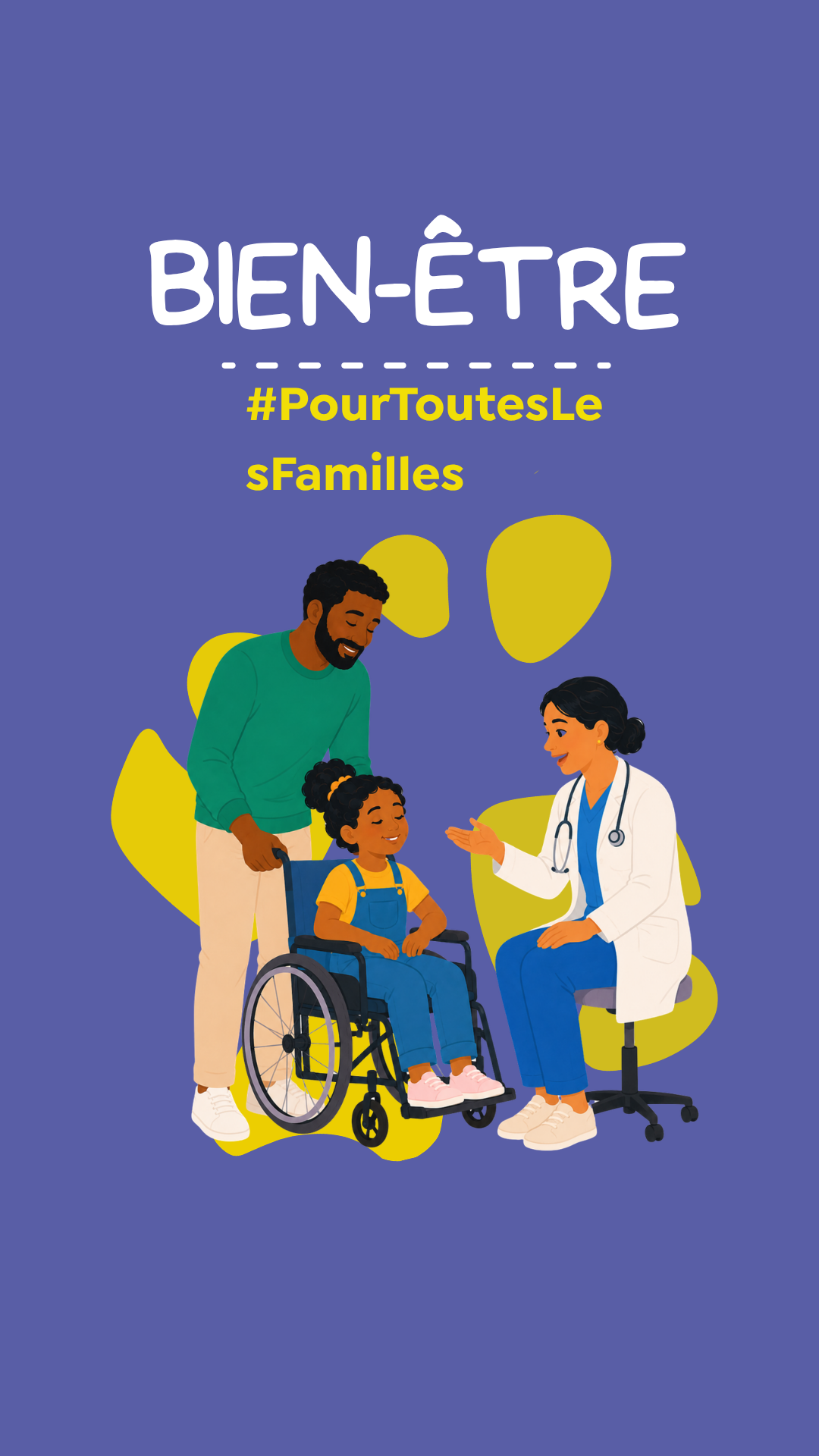
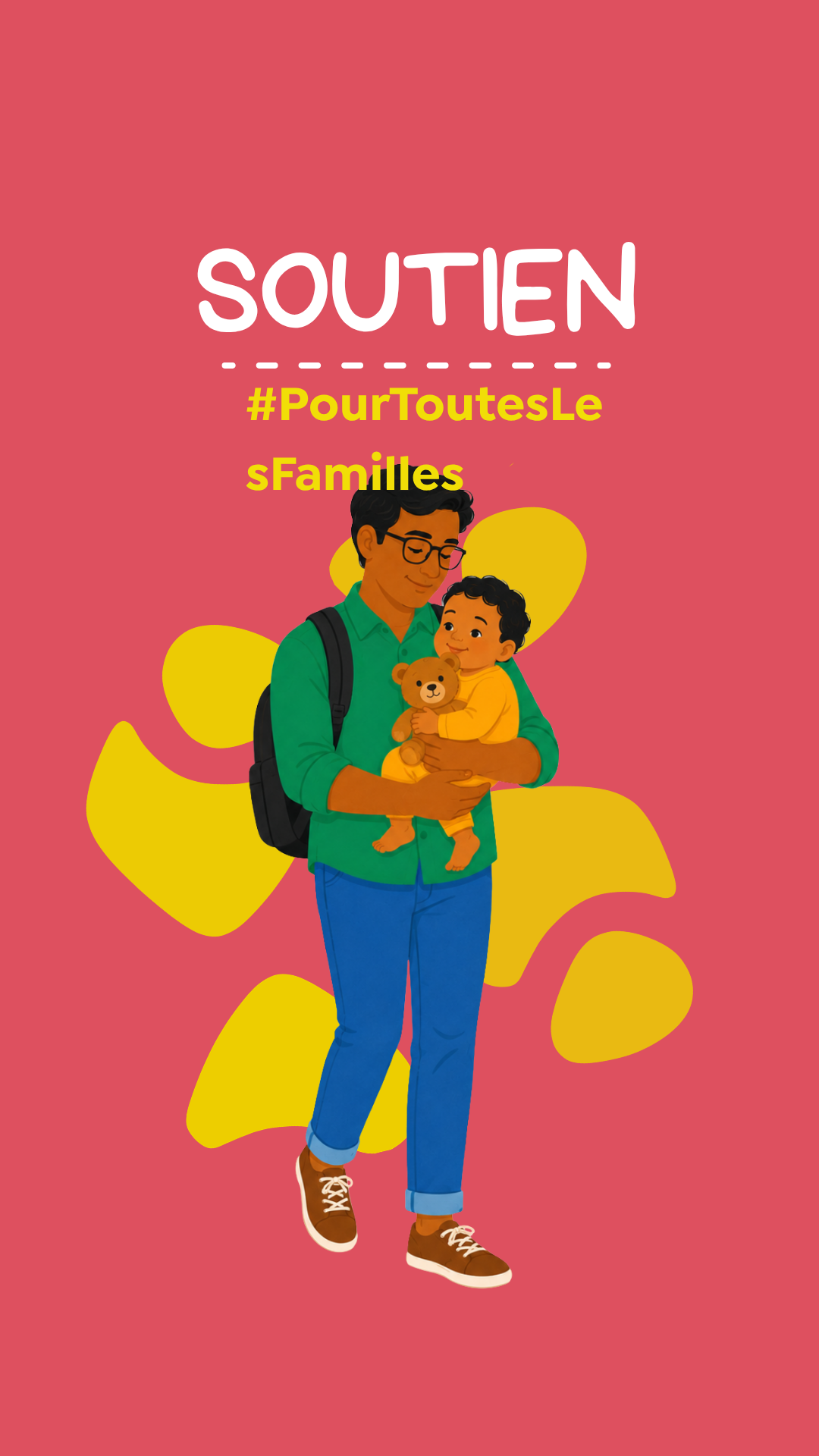
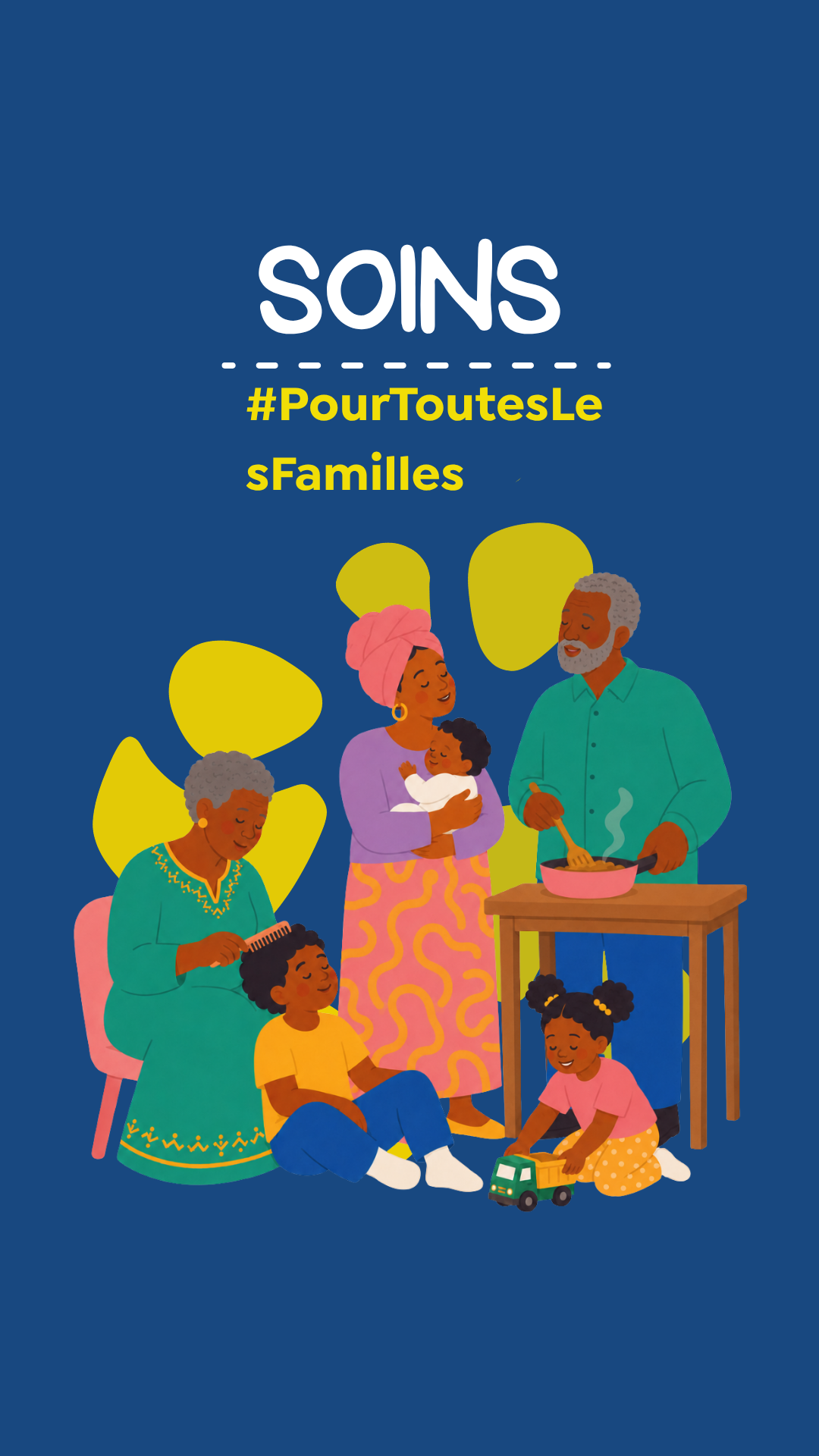
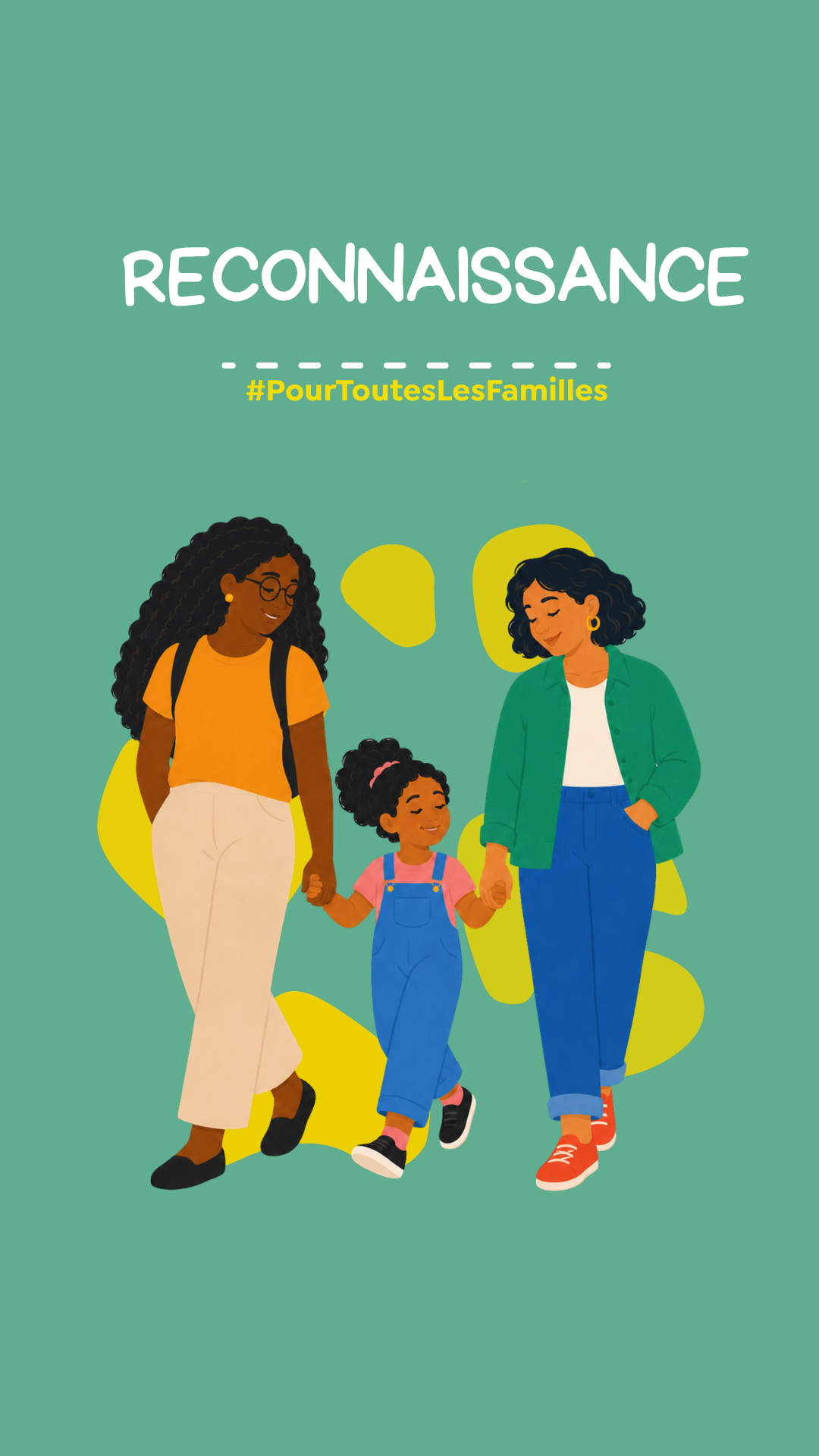
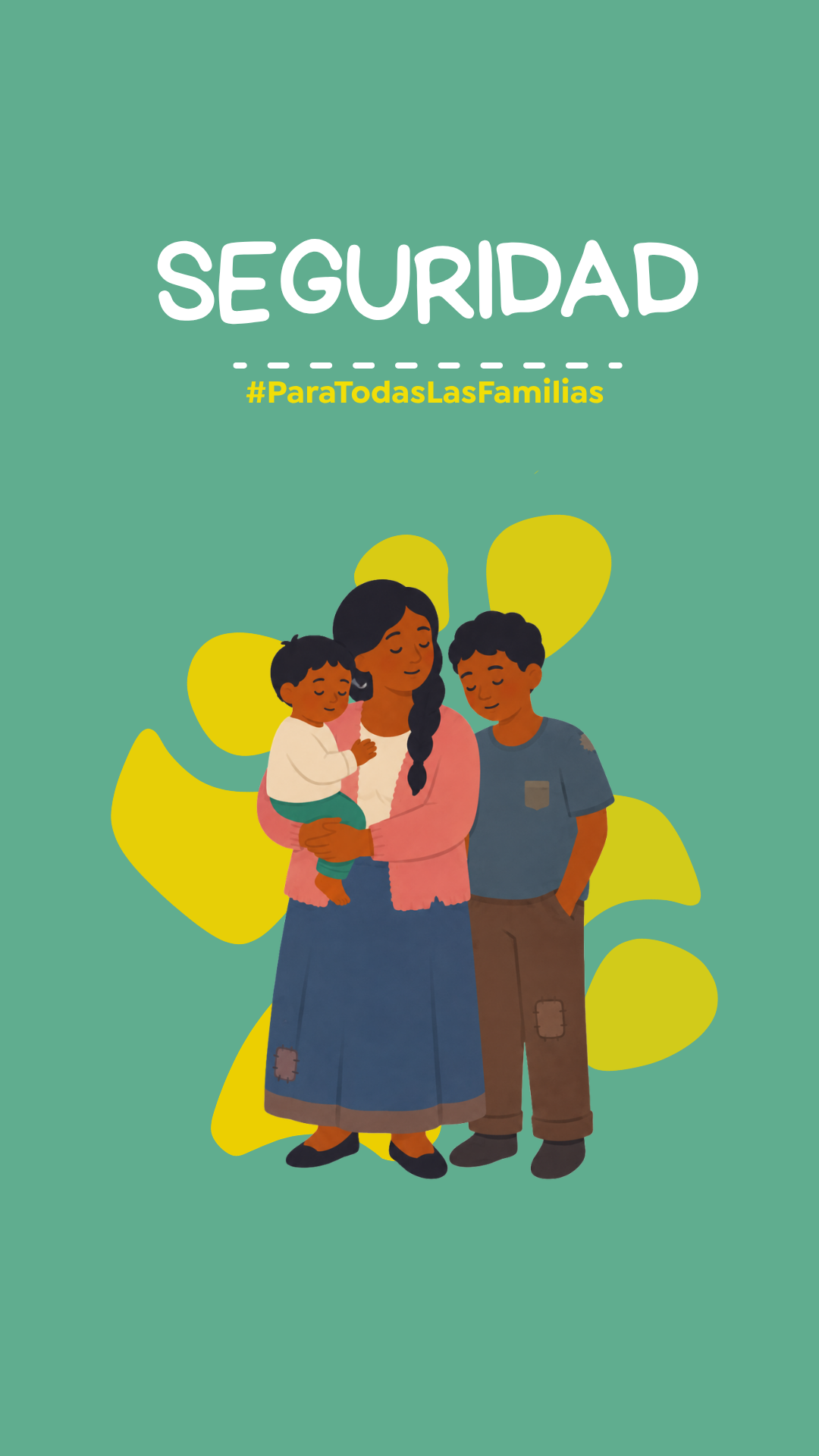
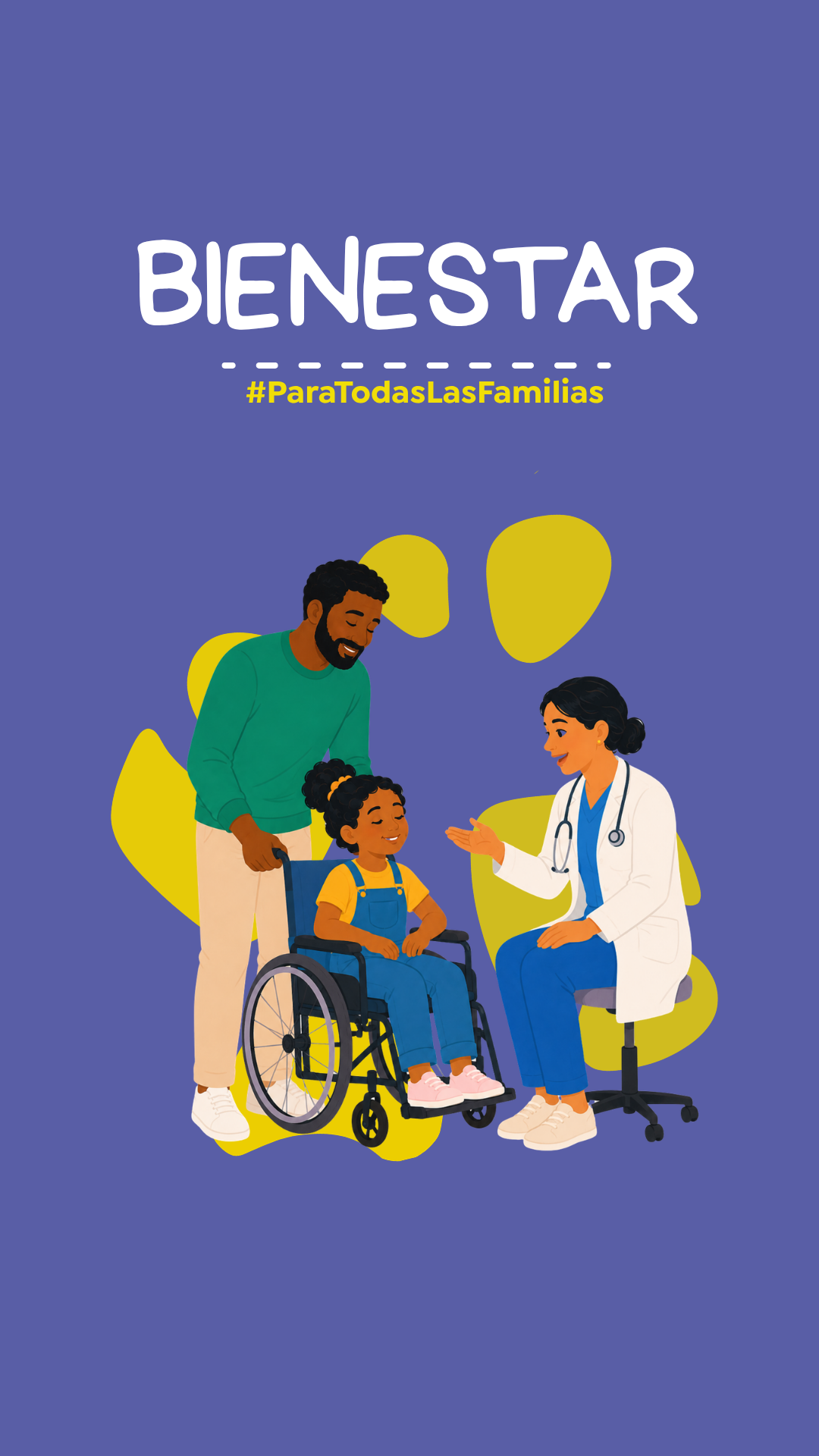
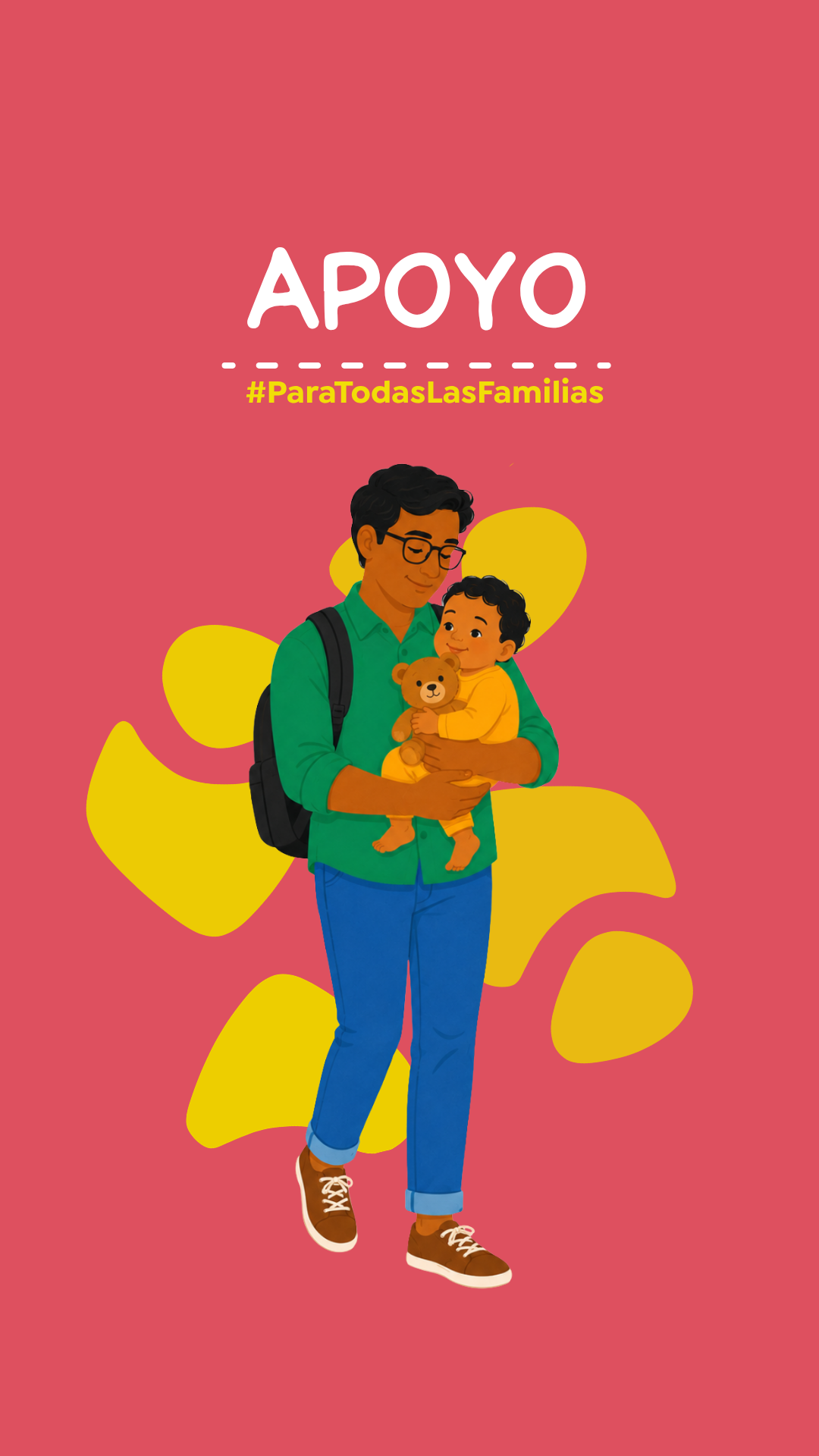
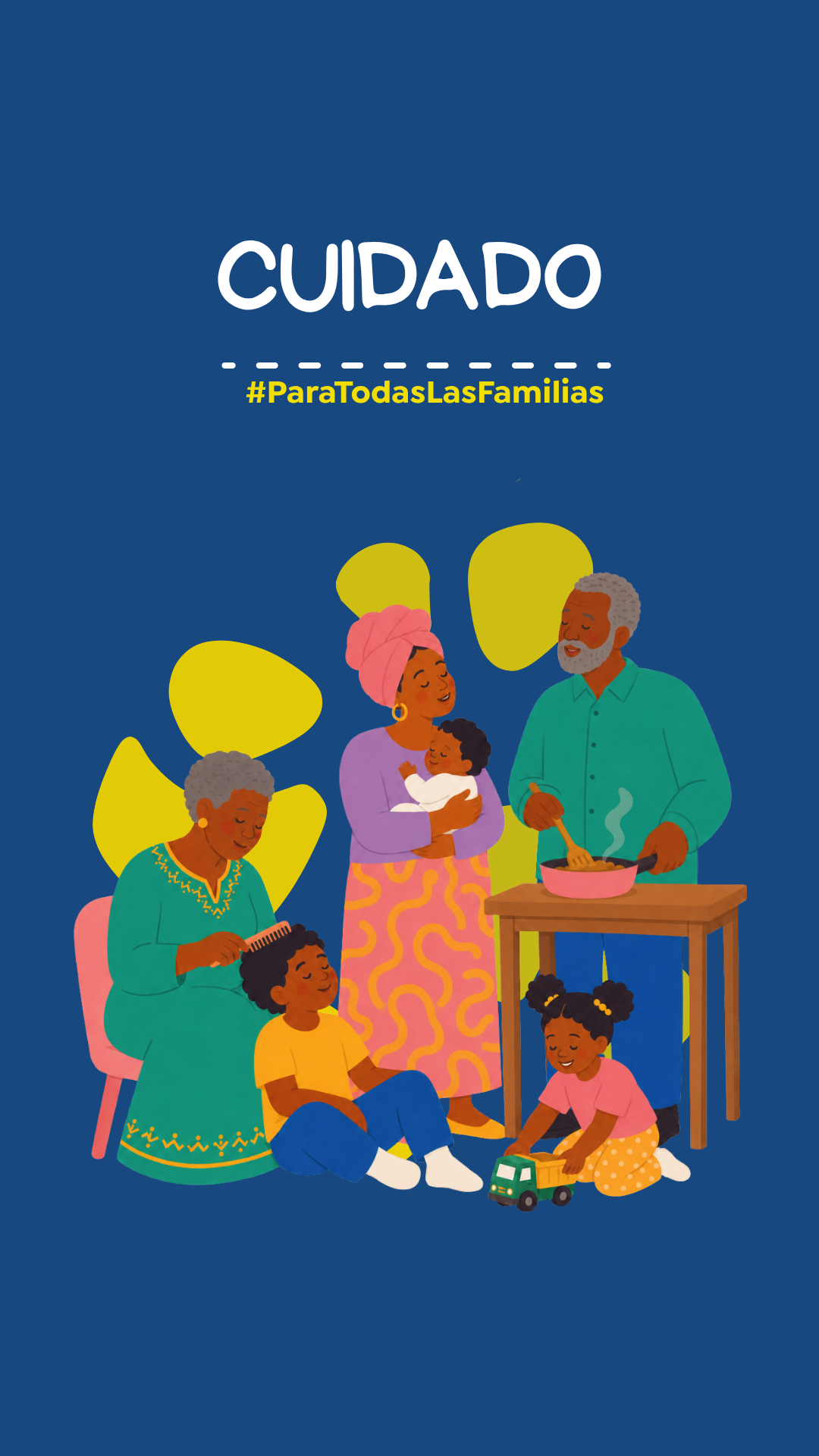
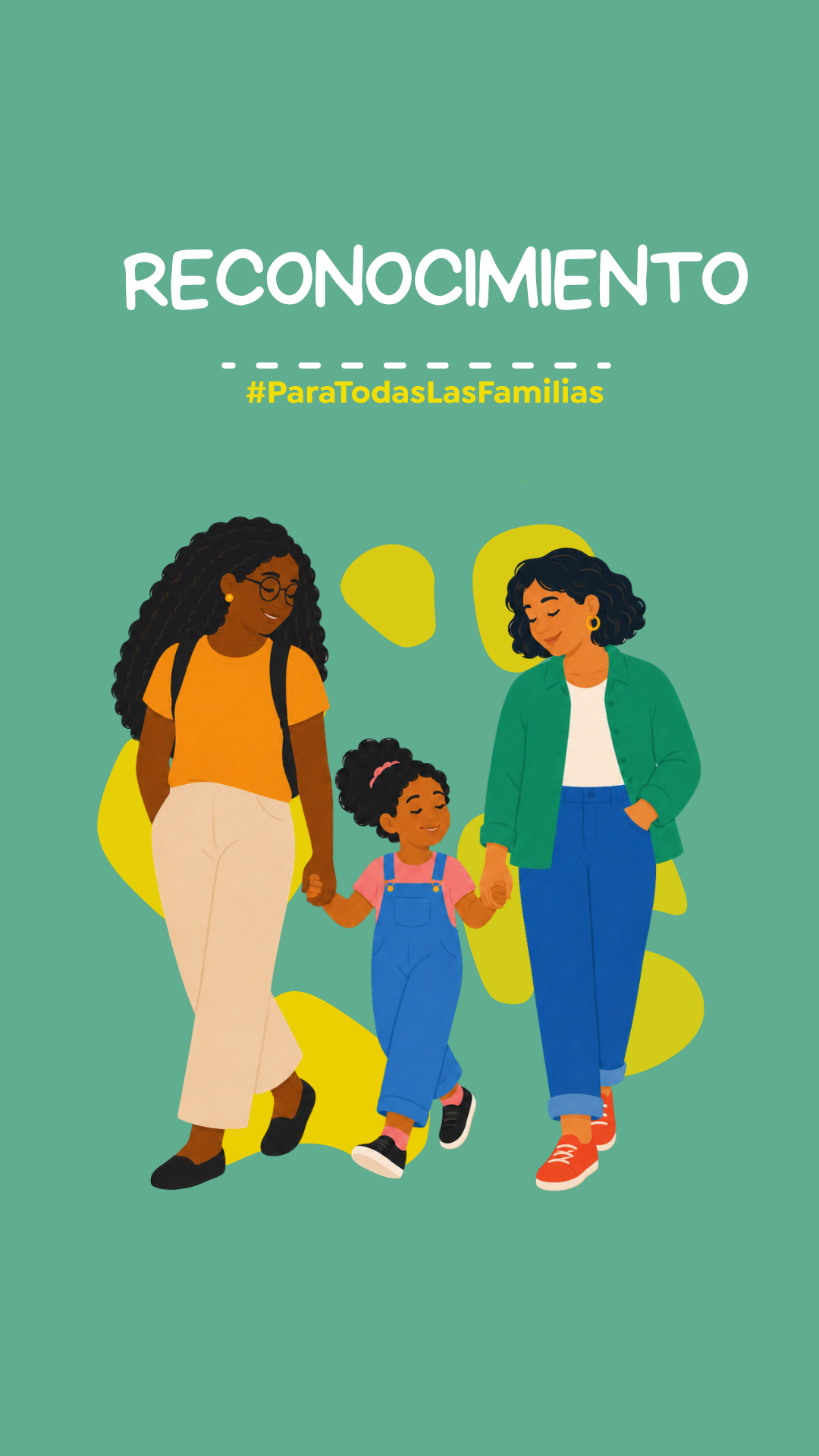
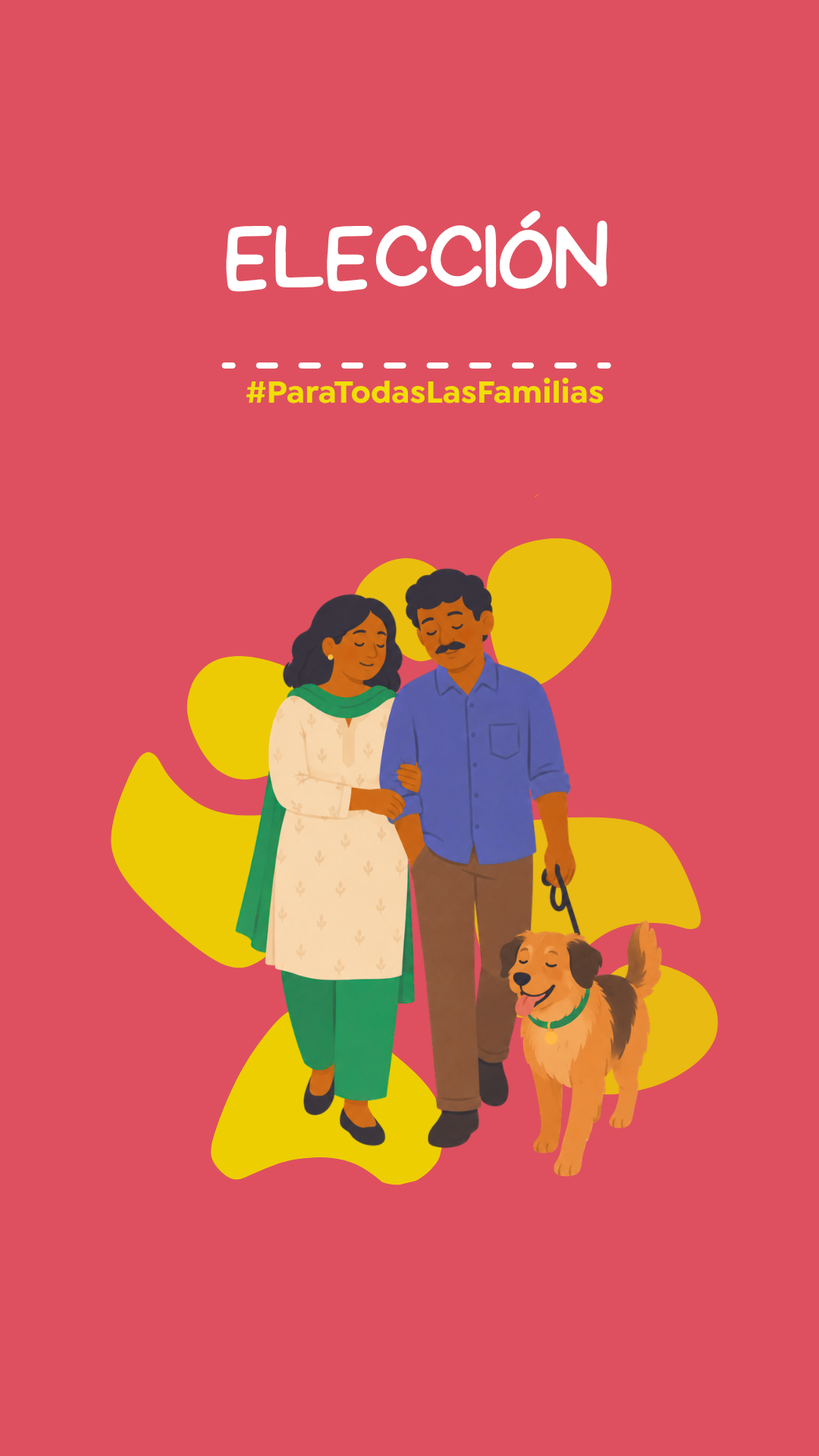
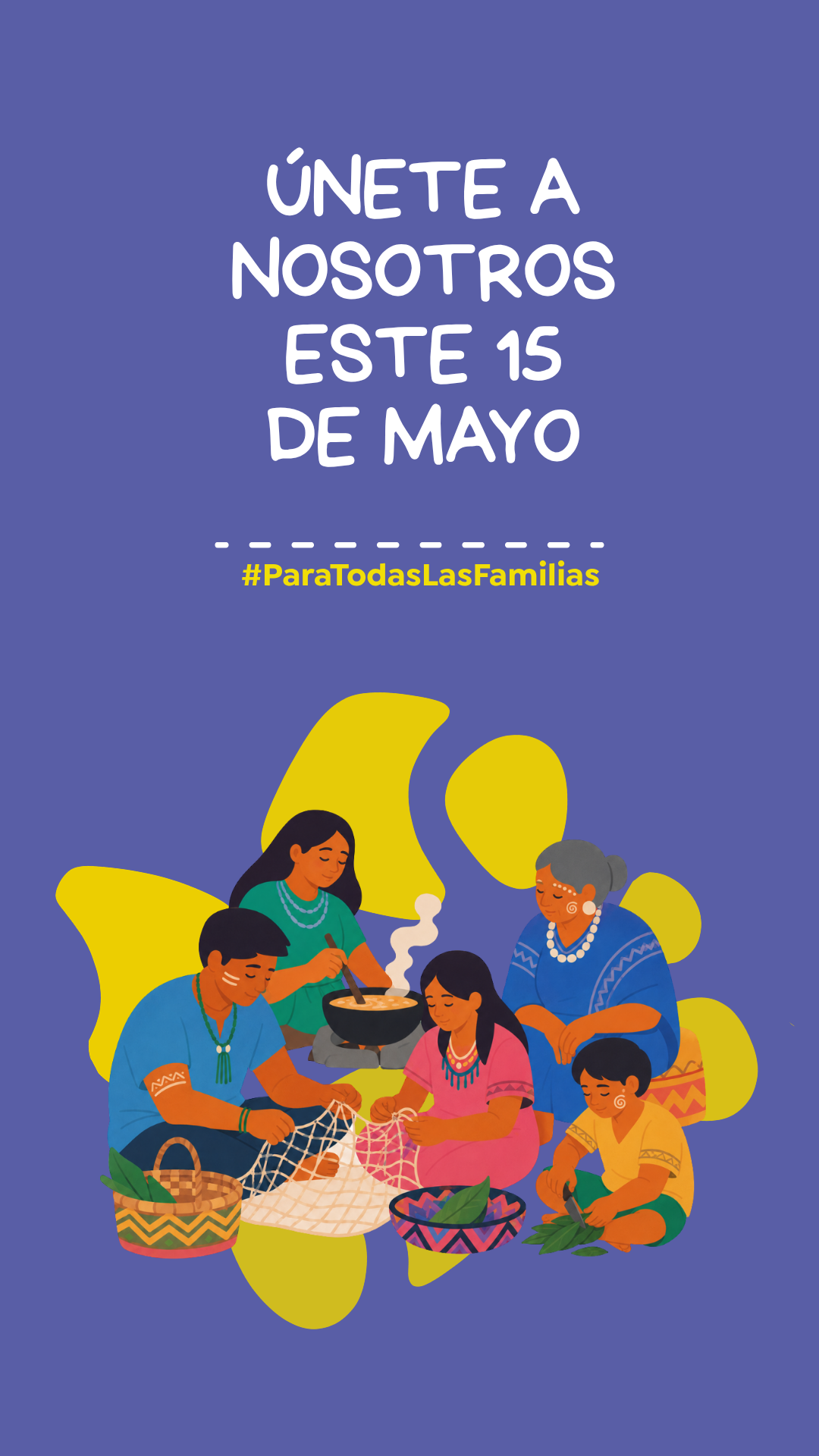
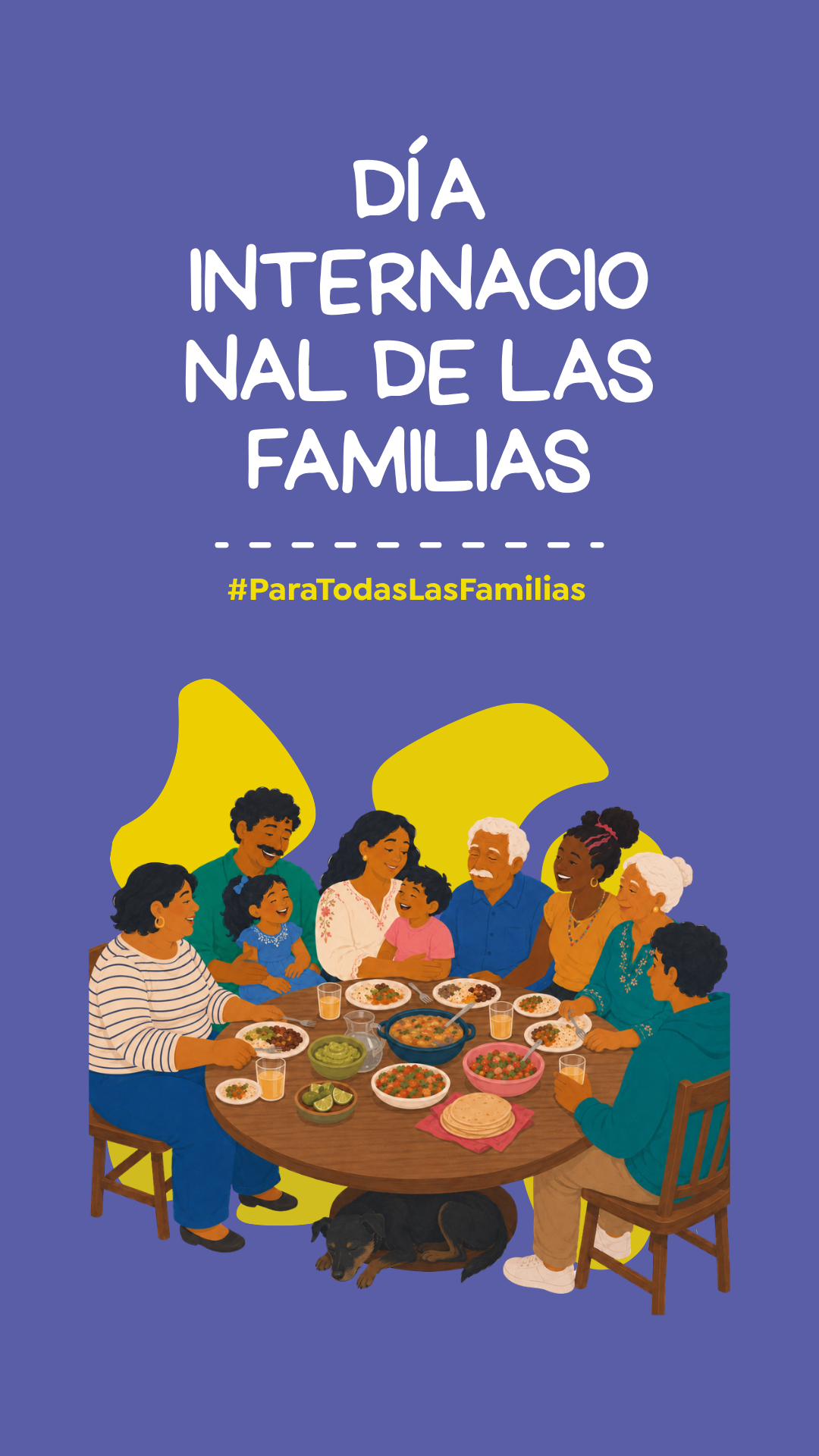
Open in CanvaStory and reel frames. Click download to save each file.
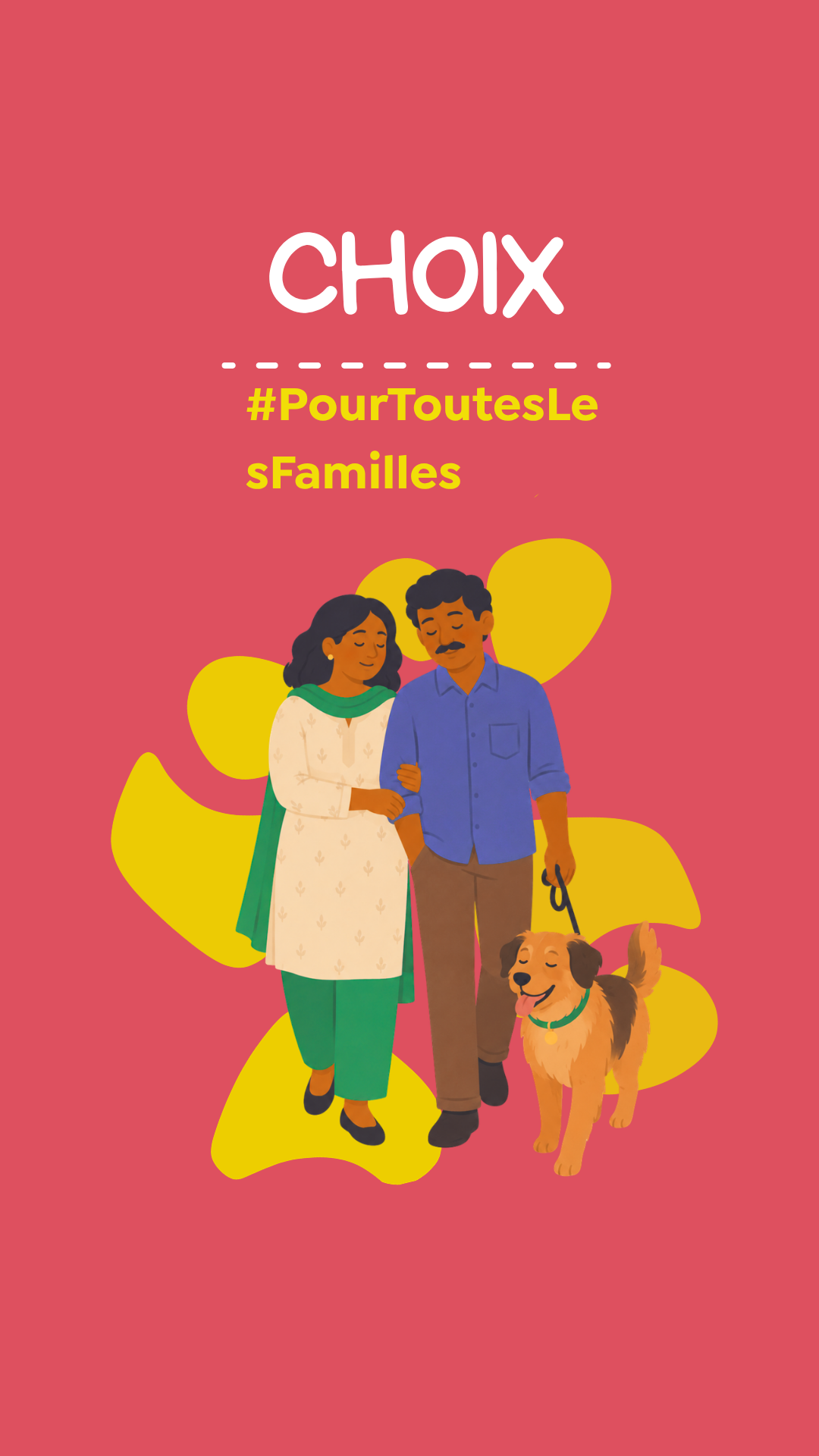
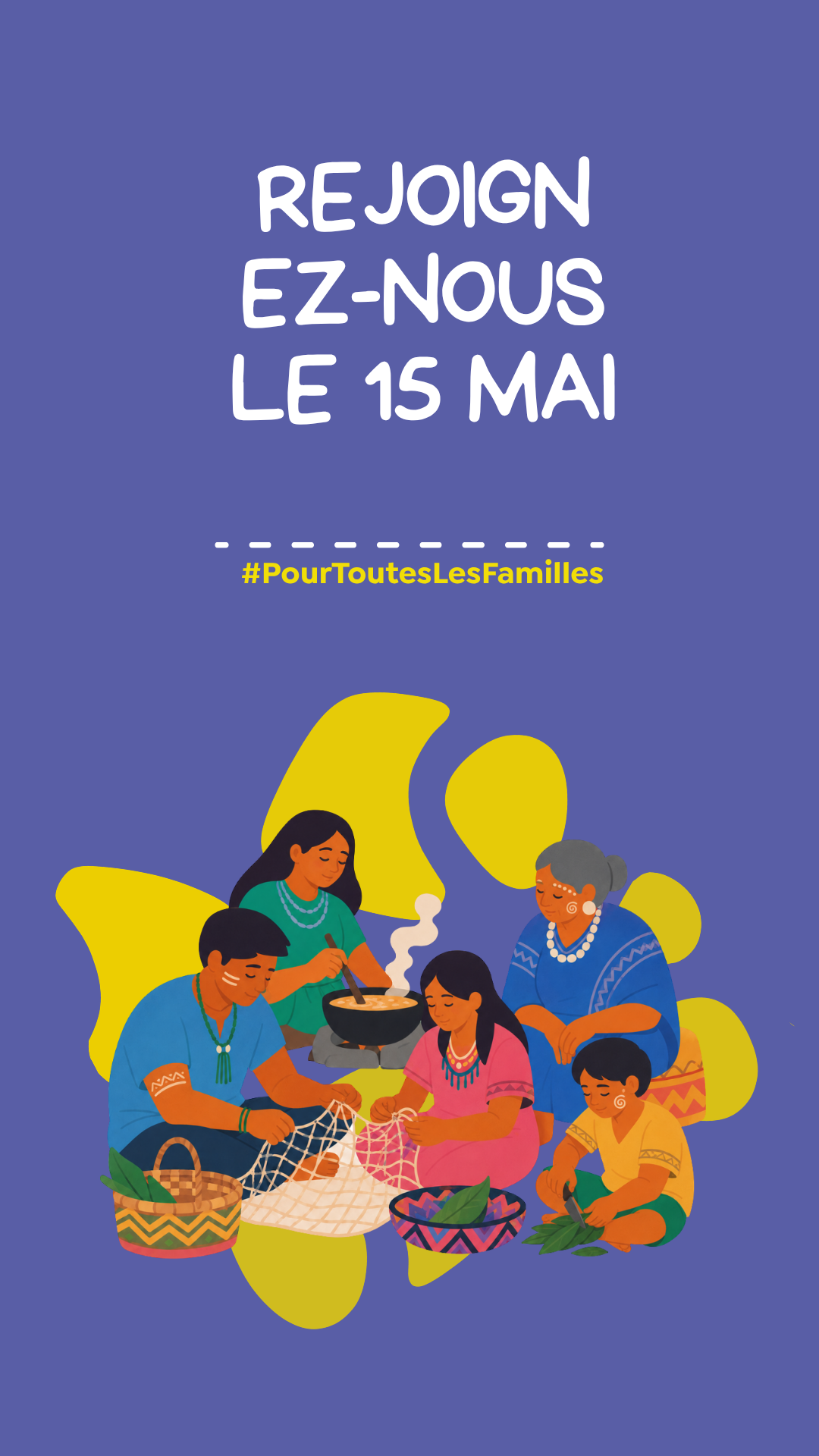
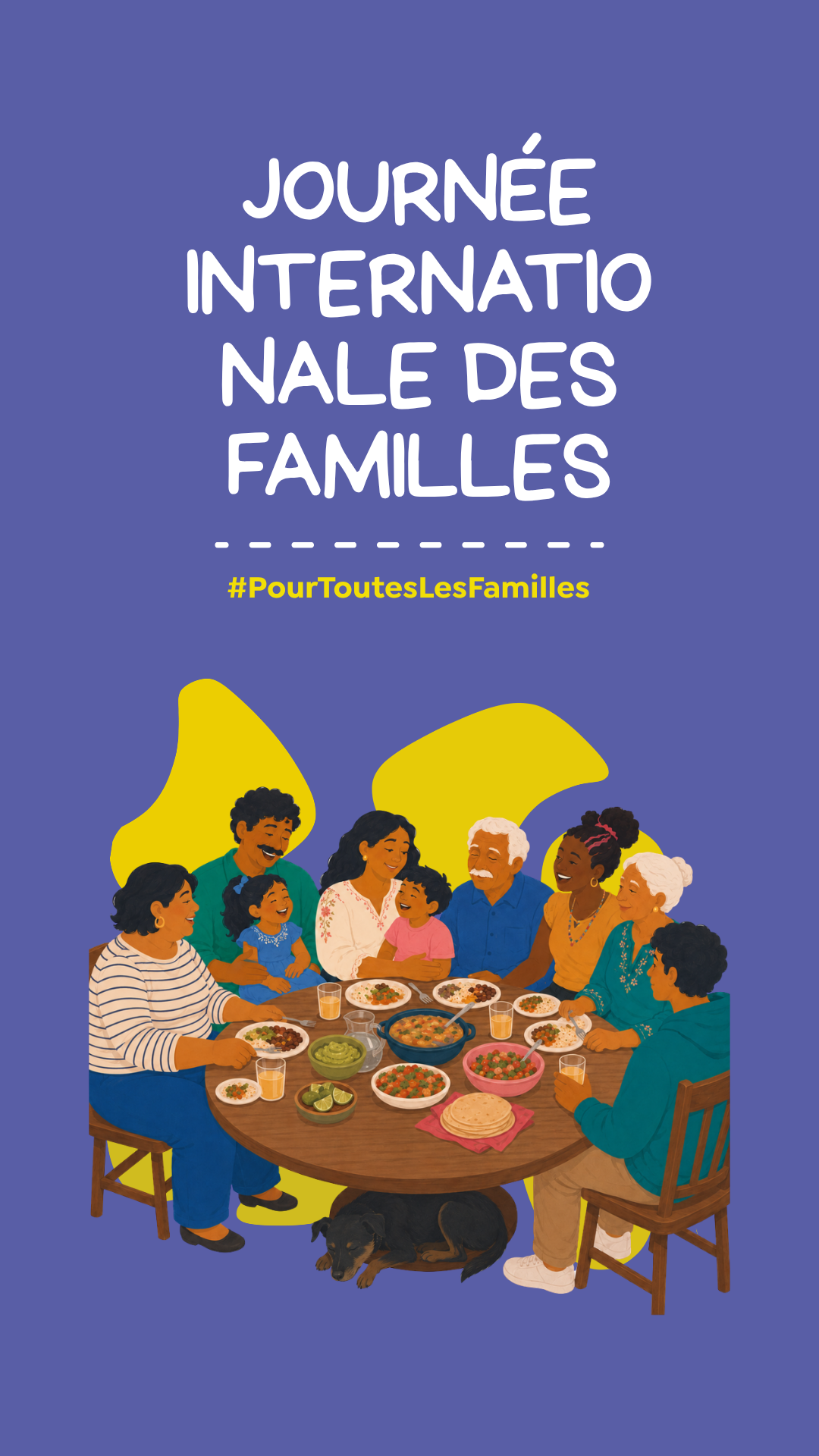
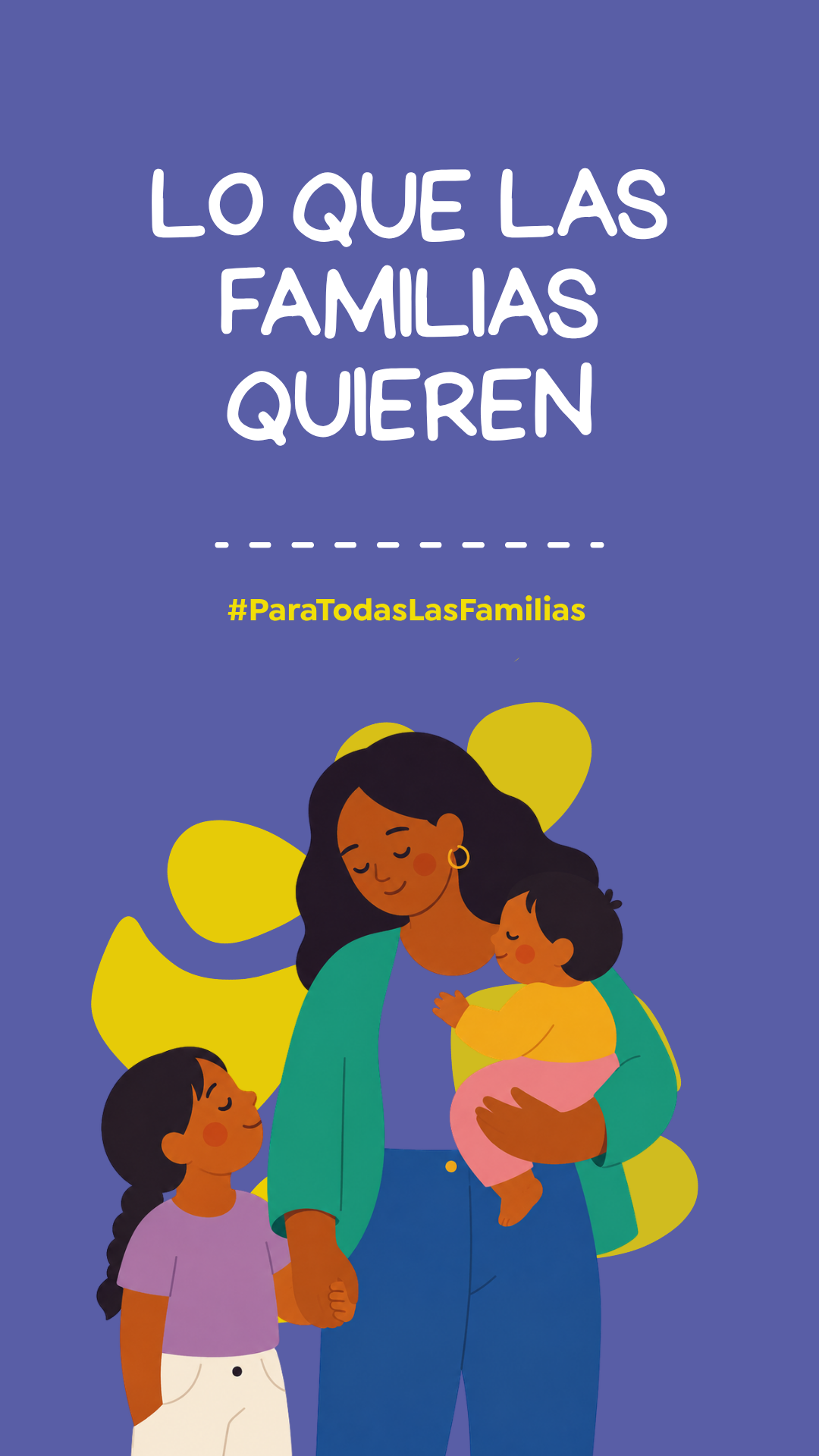
Template for Instagram stories / reels
Open in CanvaTemplate for Instagram stories / reels
Open in CanvaTemplate for Instagram stories / reels
Open in CanvaKey statistics drawn from the World Values Survey, and UN data on household structures. Use these freely in your communications, media outreach, and advocacy.
Global
90%
say family is the most important thing in their lives.
Trust
77.6%
of people worldwide report trusting their families completely.
Wellbeing
#1
Family is the strongest predictor of life satisfaction and emotional health, especially for adolescents and young people.
Extended
~38%
of people globally live in extended family arrangements.
Two-parent
~33%
live in two-parent households.
Multigen
~27%
nearly one in three households are multigenerational.
Children
51%
of children under 18 live with two parents; nearly 40% in extended family households.
Single parents
320M
children worldwide live with single parents.
Pair global + local
Pair a global stat with a local stat. “90% of people globally say family matters most. In [your country], [X]% of families lack access to [healthcare/childcare/recognition].”
Challenge the “traditional” frame
Use household structure data to show how policy ignores most families. “38% live in extended families; 27% in multigenerational households. The ‘traditional family’ policy keeps defending excludes most families.”
Organized by how much capacity you have. Pick one. Pick several. Adapt freely.